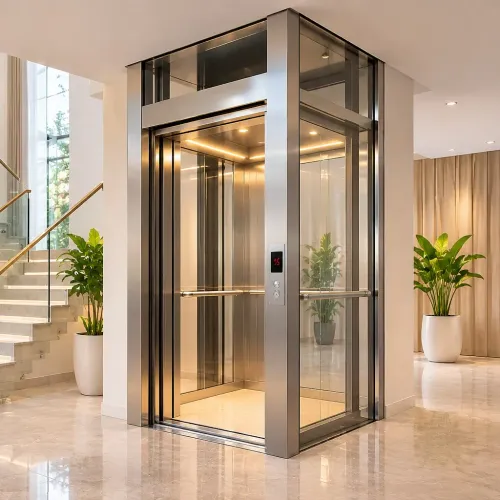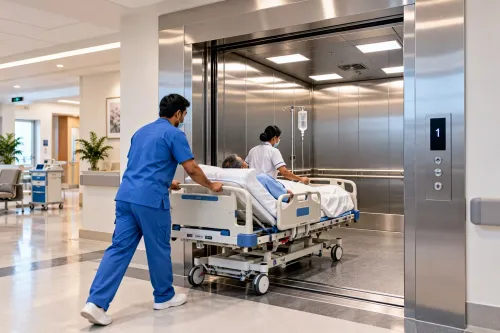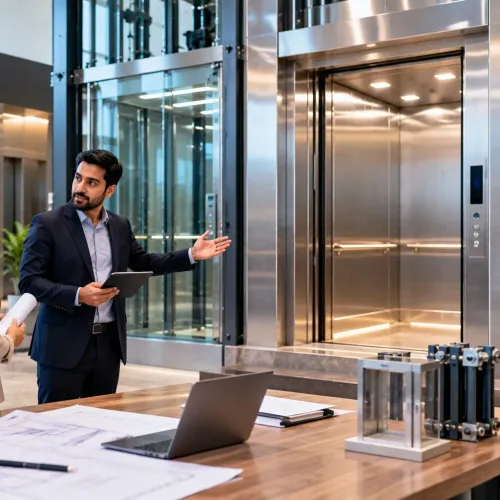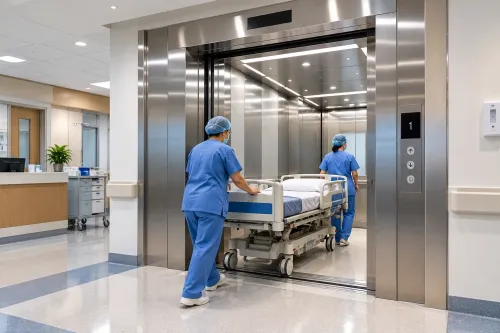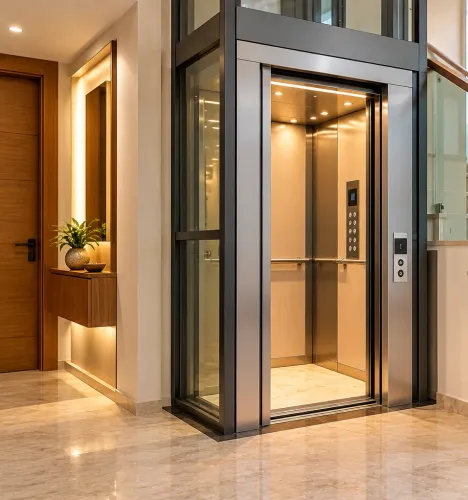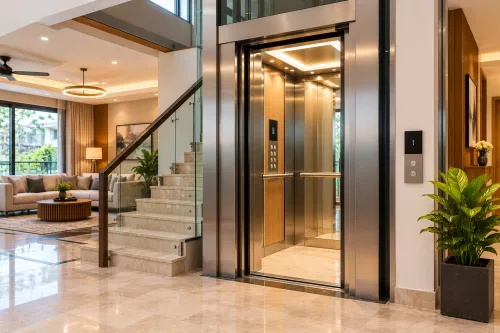
An elevator company may become involved long before passengers press the lift button for the first time. Behind a completed elevator is a sequence of planning, technical coordination, equipment preparation, installation, testing, commissioning, and ongoing maintenance.
Understanding this lifecycle helps builders and property owners know what to expect during a lift project.
The Project Starts With Requirement Assessment
The first stage is understanding the property.
The elevator provider may evaluate building type, number of floors, expected traffic, shaft availability, required capacity, speed expectations, accessibility, cabin preferences, and intended usage.
For an existing building, physical site conditions become especially important because the available space may restrict certain configurations.
Technical Specifications Follow
Once requirements are understood, the proposed elevator can be defined more precisely.
Specifications may cover cabin size, rated load, speed, door dimensions, control system, drive arrangement, finishes, fixtures, safety provisions, and electrical requirements.
At this stage, property owners should ask questions rather than focusing only on appearance.
Why has a particular capacity been recommended? Is the speed appropriate? What civil work is required? What happens during a power interruption? What maintenance will be needed?
Clear answers help prevent surprises later.
Site Coordination Is Critical
Elevator work interacts closely with building construction.
The shaft, pit, landing openings, electrical supply, structural supports, access conditions, and finishing work may need coordination between multiple contractors.
In Delhi construction projects, where schedules can involve several trades working simultaneously, clear responsibility allocation can prevent delays.
Architects, builders, civil contractors, electrical teams, and the lift provider should know what must be completed before installation progresses.
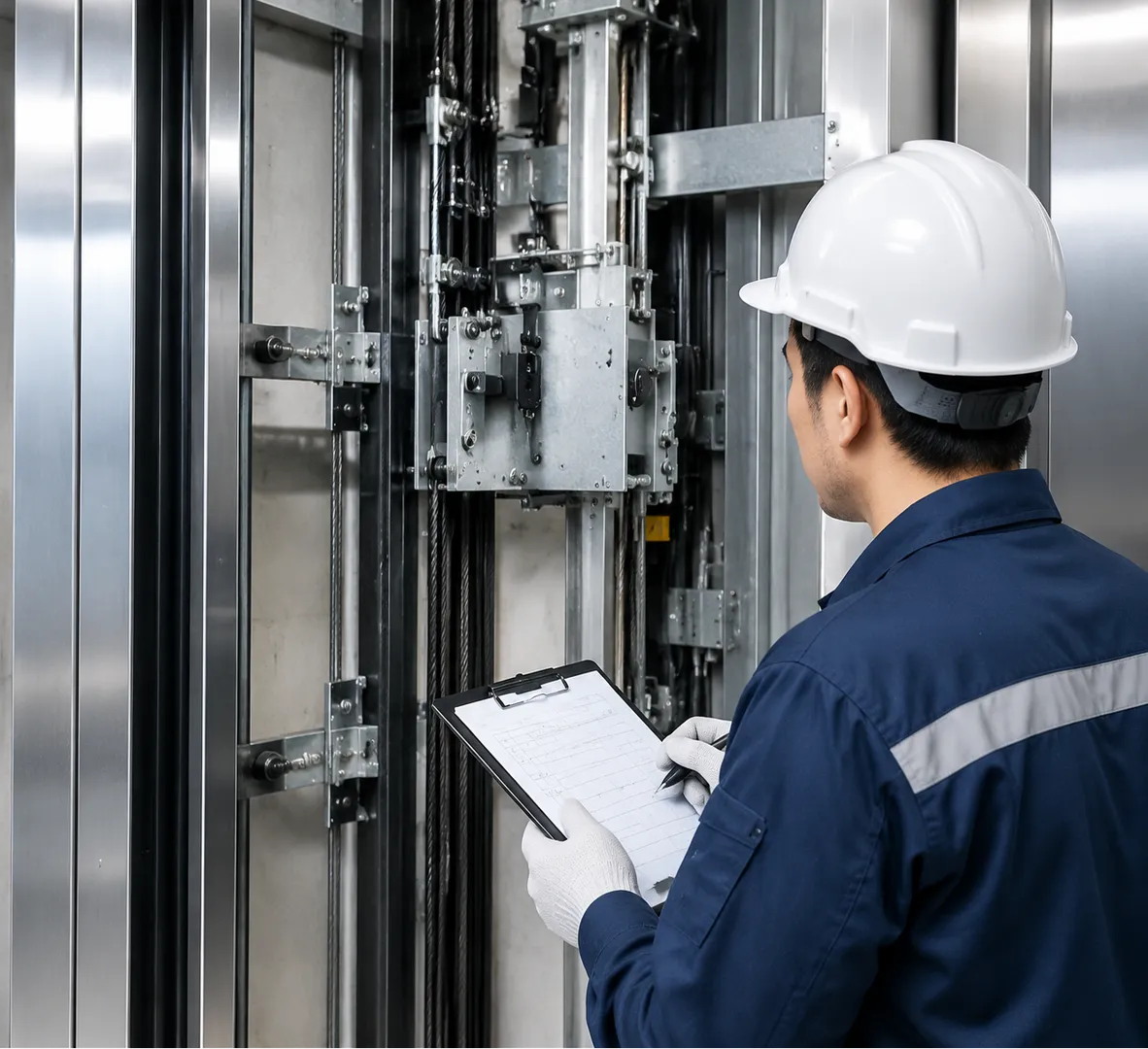
Installation Requires Precision
Elevator installation involves more than placing a cabin inside a shaft.
Guide systems, doors, drive equipment, controls, wiring, safety devices, fixtures, and numerous supporting components must work together correctly.
Installation accuracy can influence ride quality, door operation, noise levels, reliability, and maintenance requirements.
Testing Comes Before Routine Use
A newly installed elevator needs appropriate checks before regular operation.
Testing may cover operating functions, door behaviour, levelling, controls, safety provisions, emergency features, ride performance, and other project-specific requirements.
Applicable inspection or regulatory processes also need to be followed according to the lift type and jurisdiction.
Maintenance Continues Throughout the Lift's Working Life
Commissioning is the beginning of the operating phase rather than the end of the relationship.
Preventive maintenance typically involves checking equipment condition, cleaning, lubrication where applicable, adjustment, operational testing, and identification of worn components.
Service records can help building managers understand recurring issues and maintenance history.
Firefox Elevators Private Limited supports elevator projects involving equipment, components, installation, maintenance, and repair for different property categories.
A well-managed elevator project is therefore a continuous process. From initial assessment through years of operation, each stage affects the next.
Property owners who understand this lifecycle can coordinate more effectively with their elevator company, ask better questions, plan realistic budgets, and make decisions that support reliable vertical mobility within their building.
Keywords