People researching top home lift manufacturers are often presented with long feature lists. Some features genuinely improve safety, accessibility, convenience, or everyday usability. Others may be mainly aesthetic.
Knowing what deserves priority can help homeowners make a more practical decision.
Start With Safe Everyday Operation
Safety-related provisions should come before decorative upgrades.
Depending on the elevator system, homeowners may need to discuss door interlocks, obstruction protection, emergency alarms, emergency lighting, overload protection, rescue provisions, communication features, and operation during power interruptions.
Ask the manufacturer to explain how each relevant feature works rather than relying only on a feature name in a brochure.
Prioritise Accessibility
A home lift is often installed to make a property easier to use over the long term.
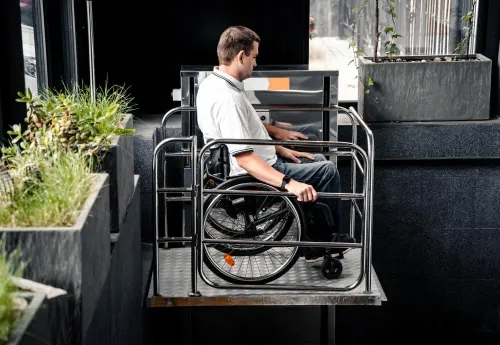
If elderly family members or wheelchair users may use the elevator, consider cabin dimensions, entrance width, control height, ease of entry, levelling accuracy, handrails where appropriate, and overall simplicity of operation.
Accessibility is easier to incorporate during planning than to correct after installation.
Consider Noise Near Living Spaces
Residential elevators may be positioned close to bedrooms, living rooms, study areas, or common spaces.
Discuss operating characteristics with the manufacturer, particularly if low-noise performance is an important household priority.
Correct installation and ongoing adjustment can also influence how the lift feels during daily operation.
Controls Should Be Simple
Home elevators are used by people with different ages and levels of familiarity with lift systems.
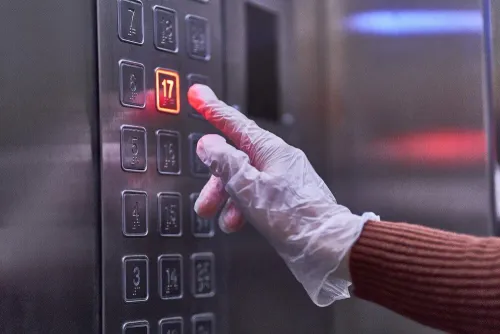
Controls should therefore be clear and convenient. Good visibility, straightforward buttons, appropriate placement, emergency controls, and intuitive operation can make everyday use easier.
Complexity is not automatically an advantage.
Cabin Design Should Suit the Interior
Once technical requirements are settled, cabin design becomes an important consideration.
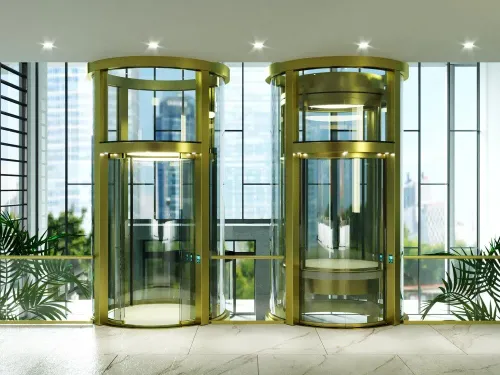
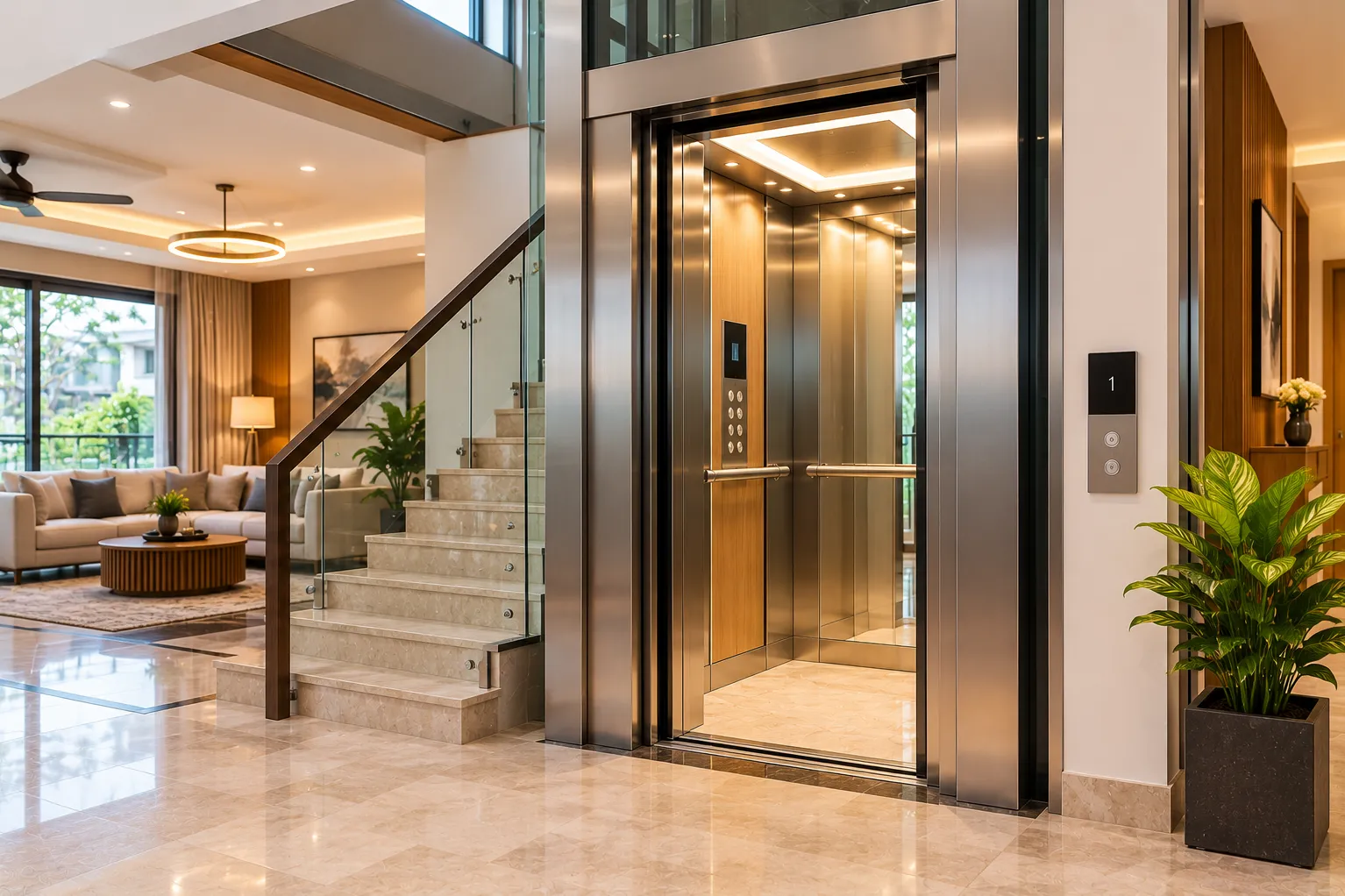
A residential elevator can be designed to complement modern, traditional, minimalist, or luxury interiors. Flooring, wall panels, ceilings, lighting, fixtures, and door finishes can contribute to the overall appearance.
For Delhi homeowners building premium multi-storey residences, integrating lift finishes with interior planning can create a more cohesive result.
Maintenance Support Deserves Equal Priority
Features are valuable only when the elevator can be maintained effectively.
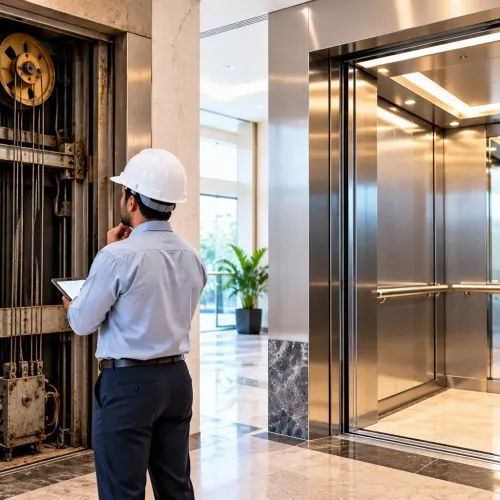
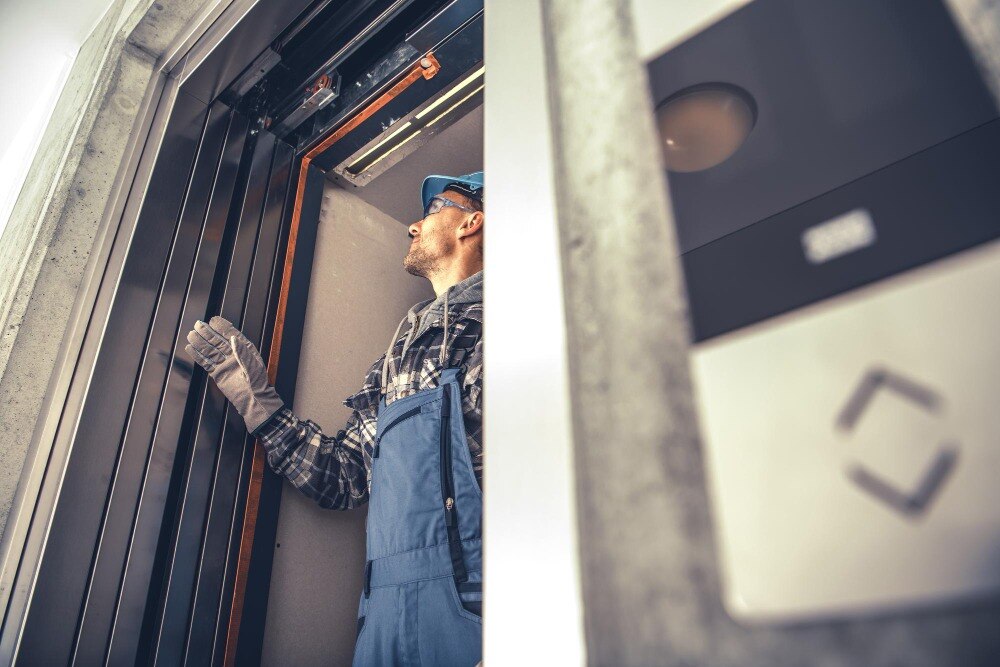
Ask about preventive servicing, technical support, availability of commonly required components, troubleshooting procedures, and maintenance documentation.
A sophisticated system with difficult support may become inconvenient over time.
Firefox Elevators Private Limited works with residential lift solutions along with elevator components, installation, maintenance, and repair services.
When comparing top home lift manufacturers, create two lists: essential requirements and optional preferences.
Put safety, accessibility, suitable capacity, technical compatibility, reliable operation, and maintainability in the essential category. Place decorative upgrades and non-essential customisation in the second.
This simple approach helps homeowners invest in features that improve everyday use while keeping the project aligned with practical needs and available budget.
Keywords