A lift that reopens its doors, stops unevenly, shudders, loses power, or traps passengers needs more than repeated resets. You will be able to separate a reportable nuisance from a safety-critical fault, understand what a technician will test, and judge whether a component repair or replacement is the sounder decision.
Key takeaways
- Stop passenger use after unpredictable movement, entrapment, or failed door operation.
- Never force doors, bypass an interlock, climb out, or cycle power.
- Report symptoms and visible conditions; leave electrical and safety repairs to professionals.
- Require specialist testing after faults involving brakes, doors, leveling, or unintended movement.
Which elevator symptoms require immediate professional attention?
Stop passenger use and call the elevator service provider when the car behaves unpredictably. A car stopped between floors or refusing to open its doors is an entrapment, not a reset problem: maintain communication with passengers and follow the site’s emergency procedure. Never force doors, climb out, bypass an interlock, or cycle power.
- Doors reopening repeatedly or doors failing to close indicate a sensor, door-lock contact, roller, guide, or operator fault. Remove the elevator from service if doors close on an obstruction, move while open, or fail to lock.
- Abnormal leveling, car movement after the run command ends, or jolting starts and stops requires prompt inspection. A car floor more than 1/2 inch from the landing creates a trip hazard and can signal brake drift, encoder loss, or hydraulic leakage.
- Grinding, scraping, loud impacts, severe vibration, burning smells, smoke, or exposed wiring justify immediate shutdown. Do not allow another passenger ride to “test” the noise.
- Recurring shutdowns, repeated protective-device trips, loss of power, or an alarm that does not summon help require a service call; keep the lift unavailable until the fault is captured and repaired.
| Symptom | Response | Why it matters |
|---|---|---|
| Doors move unpredictably | Immediate shutdown | A failed lock or operator can expose the hoistway |
| Car drifts, slips, or runs with doors open | Immediate shutdown | Brake or safety-circuit failure can permit uncontrolled movement |
| Governor or safety gear trips | Immediate shutdown | Resetting it without testing can return a serious fault to service |
| Hydraulic oil loss or downward creep | Immediate shutdown | Leaking seals, valves, piping, or a buried cylinder may be involved |
A manager may record the floor, direction, display code, sound, and time of failure. Leave diagnosis, resets, and re-entry to a qualified elevator technician.
What can you safely report or reset, and what must you never attempt?
Your safe role ends at observation, communication, and an authorised out-of-service control. A passenger may press the door-open button, select a floor once, and use the alarm or intercom; a manager may record the car number, floor, display code, noise, time, and door movement.
- Use the designated key switch to remove the elevator from service only if you are trained and the site procedure authorises it.
- Report repeated door faults, abnormal leveling, jolting, grinding, vibration, loss of power, or recurring shutdowns to the service provider.
- Check whether a wider building power outage exists without opening equipment panels or entering restricted areas.
- Record an alarm failure immediately; do not assume the call reached anyone.
Never force doors, climb through a landing, enter the shaft or pit, bypass a door interlock, reset a safety device, or work near exposed wiring. Do not cycle power on a car stopped between floors: it can move unexpectedly or leave passengers facing an open hoistway.
Treat passenger entrapment as an emergency. Keep occupants talking through the intercom or phone, tell them not to leave the car, call emergency responders and the elevator service provider under the site procedure, and keep others away from the doors.
Smoke, burning smells, uncontrolled movement, movement with doors open, water near electrical equipment, severe leveling errors, or repeated protective-device trips require immediate shutdown and professional attendance. A technician must investigate before any reset or return to service.
What causes repeated door faults, shutdowns, vibration, and leveling errors?
Repeated door faults, shutdowns, vibration, and leveling errors usually point to a failed device, adjustment, wiring fault, or mechanical condition—not automatically to the controller or motor. A professional diagnoses the failure while it is present before replacing parts.
1. For doors that reopen or refuse to close, inspect each landing’s sill for debris, measure roller and clutch alignment, check the door operator for weak drive components, and test dirty or misaligned sensors and light curtains.
The technician also tests the landing-door interlock at every affected floor and restores its monitored safety circuit; nobody should bypass it.
2. For recurring shutdowns, the technician captures the active fault and traces the safety chain to its first open point. Loose terminals, failing relays, door-lock contacts, governor or pit switches, thermal overloads, supply-voltage loss, and control-panel errors can all interrupt operation. Repeated resets can erase the evidence.
3. For vibration or rumbling, controlled runs separate car, counterweight, and machine-room sources. The inspection covers guide shoes or rollers, rail alignment and lubrication, sheave grooves, bearings, counterweight parts, car-frame fasteners, brake action, and motor performance.
4. For leveling errors, measure the car-to-landing difference and inspect the encoder, brake drift, guide components, re-leveling settings, hydraulic valve leakage, and load response. A 1/2-inch difference exceeds the 2010 ADA Standards limit; changing a software offset without finding the cause can conceal a safety defect.
Only then should a controller, motor, sensor, or other component be changed.
When should you repair a component, replace it, or replace a larger system?
Repair is the right choice when the failed part is identifiable, supported, and unlikely to damage its mating components. Replace the larger system when repeated component failures point to an obsolete or incompatible control architecture.
| Decision | Choose it when | Check before authorizing |
|---|---|---|
| Repair | One failure, available parts, manufacturer support, and no damage to connected parts | Test the initiating fault, not only the visible symptom |
| Replace component | Repeat failures, worn mating parts, or unsupported subassembly make another repair uneconomical | Compare downtime, warranty, interfaces, and the manufacturer’s replacement guidance |
| Modernize larger system | Obsolete controls, unavailable boards, unsafe interfaces, or prolonged downtime make component work unreliable | Integrate the motor, brake, encoder, door operator, safety chain, fixtures, fire service, emergency power, communications, and inspection requirements |
For an exact match, record the installed elevator make and model, motor voltage and power rating, controller compatibility, pulley dimensions and rope specification. Check connector types, encoder signals, brake ratings, door equipment, and software parameters; a part that fits physically can still cause position faults or unsafe operation.
A replacement sheave with the wrong groove profile will quickly damage new ropes.
A VFD overcurrent fault does not prove the drive has failed. Test incoming power, the DC bus, motor insulation, grounding, braking resistors, feedback, cabling, parameters, brake release, and machine freedom first. Water damage also argues for broader replacement when corrosion reaches wiring, safeties, buffers, or hydraulic equipment.
Firefox Elevators Private Limited can assist with sourcing and installation only after those compatibility records are confirmed.
Related products
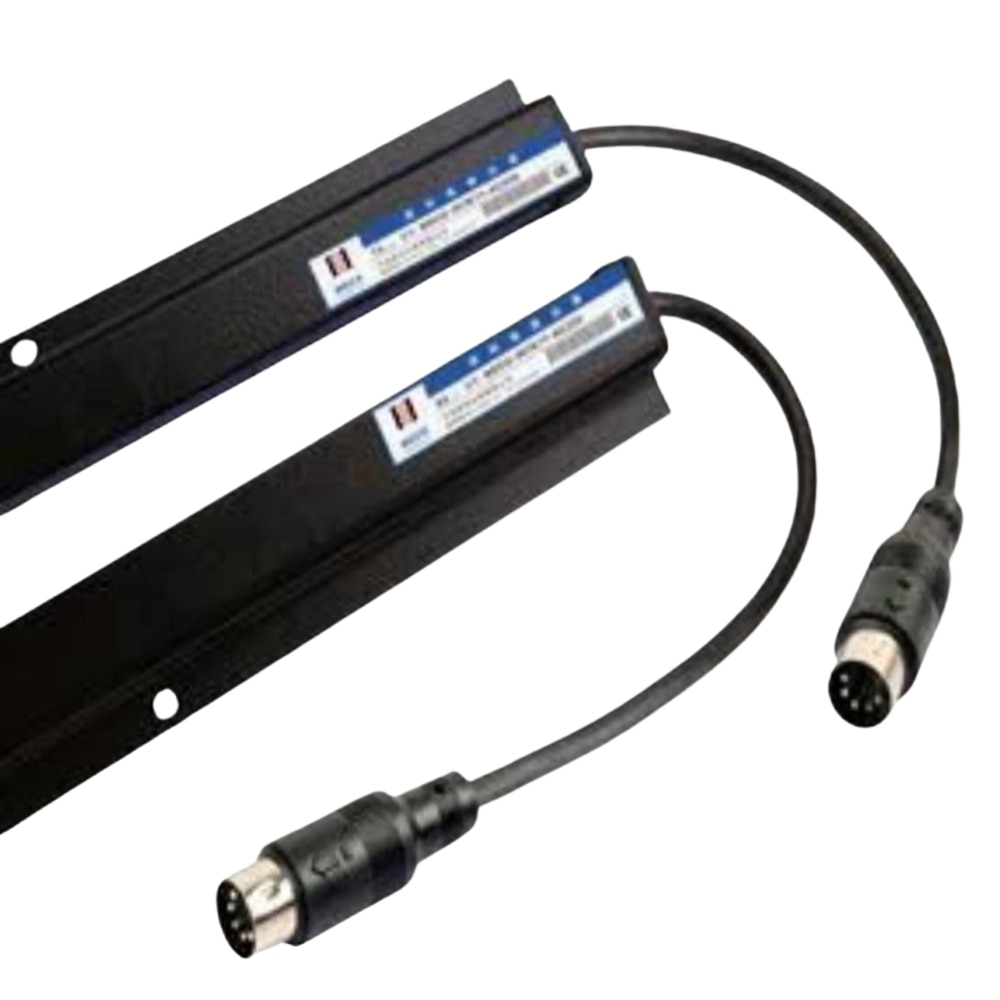 | Elevators ₹5900 Elevator Door Sensors are advanced safety devices designed to detect obstructions and ensure seamless door operation. View product → |
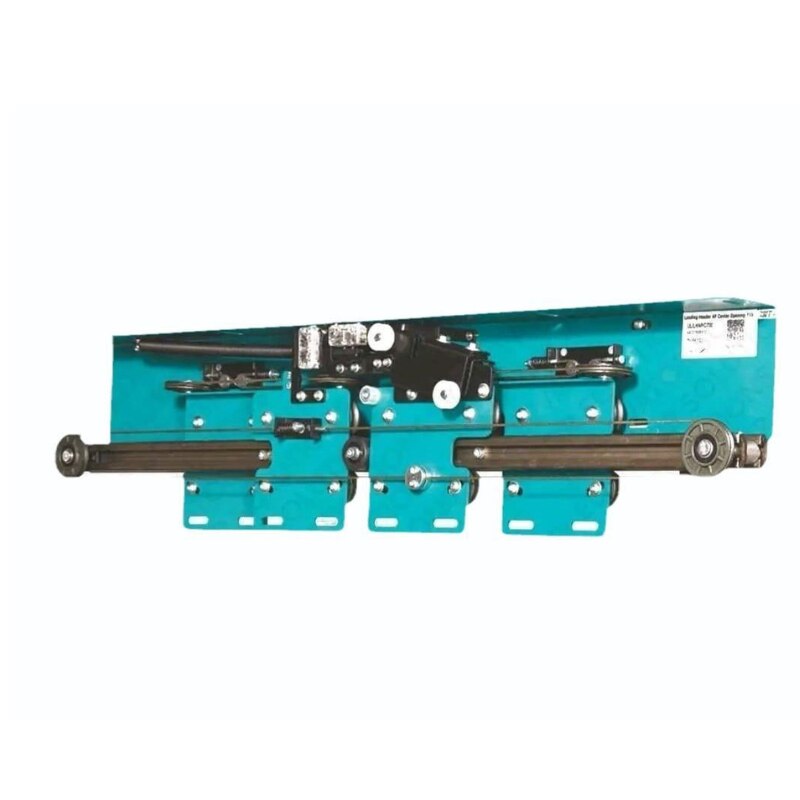 | Elevators ₹7000 The Elevator Landing Header ensures seamless operation and enhances elevator safety. View product → |
Which elevator faults demand specialist testing before the lift returns to service?
Brake drift, worn traction ropes, hydraulic leakage, governor trips, pit water, variable-frequency-drive faults, and obsolete controls all demand specialist testing before the lift returns to service. A successful component repair does not prove that the complete safety system will hold, stop, level, and protect passengers.
| Fault | Why repair is not enough | Verification before return |
|---|---|---|
| Traction brake drift | A worn lining, incorrect air gap, weak coil, faulty rectifier, or binding mechanism can let the car move after the command ends. | Test brake release, holding, stopping, and drift with the required load; document results. |
| Traction rope wear | Broken wires, flattening, corrosion, or uneven tension can cause slip and damage the sheave. | Measure rope condition and tension, inspect the sheave, and run controlled empty- and loaded-car tests. |
| Hydraulic leakage | Failed hydraulic jack seals, a buried-cylinder leak, valve bypass, or contaminated oil can cause creep and poor leveling. | Find the leak source, inspect oil containment and valves, then verify pressure, stopping, and leveling. |
| Governor trip | An overspeed governor trip can reflect overspeed, a faulty switch, governor rope trouble, or a safety-gear event. | Inspect the governor circuit and safety gear, perform the specified trip and reset tests, and record clearances. |
| Water in the pit | Water corrodes buffers, switches, safeties, wiring, and hydraulic equipment while causing insulation faults. | Eliminate the source, dry the pit, inspect damaged devices, and test insulation and every affected safety circuit. |
| VFD fault | An overcurrent or position fault may come from poor power, feedback, grounding, a binding machine, or a brake that fails to release. | Check the motor, encoder, cabling, braking resistor, parameters, and DC bus under controlled runs. |
| Obsolete controls | A replacement board must work with the motor, brake, door operator, fixtures, fire service, emergency power, and safety chain. | Commission every interface and complete the required inspection with a signed test record. |
Do not accept repeated resets as verification. Require the technician’s fault findings, measurements, test conditions, failed parts, and final release record before passenger service resumes.
Frequently asked questions
Which elevator symptoms require immediate professional attention?
Stop passenger use and call the service provider for entrapment, unpredictable movement, failed doors, unintended movement, severe vibration, repeated shutdowns, or inaccurate leveling.
What can you safely report or reset, and what must you never attempt?
You can report the floor, direction, sounds, door behaviour, fault display, and visible damage. Never force doors, climb out, bypass an interlock, or cycle power.
What causes repeated door faults, shutdowns, vibration, and leveling errors?
Door faults can involve sensors, rollers, operators, tracks, or interlocks. Shutdowns can involve controls, power, overheating, or safety circuits; vibration and leveling errors require inspection of drive, guide, brake, encoder, and leveling components.
When should you repair a component, replace it, or replace a larger system?
Repair a component when testing identifies an isolated, serviceable fault. Replace it when it is worn, obsolete, or repeatedly failing. Consider larger system replacement when failures span controls, drive, doors, safety equipment, or structural systems.
Which elevator faults demand specialist testing before the lift returns to service?
Require specialist testing after entrapment, unintended movement, brake or interlock faults, overspeed events, inaccurate leveling, major vibration, water ingress, fire damage, or any safety-circuit intervention.
Related products
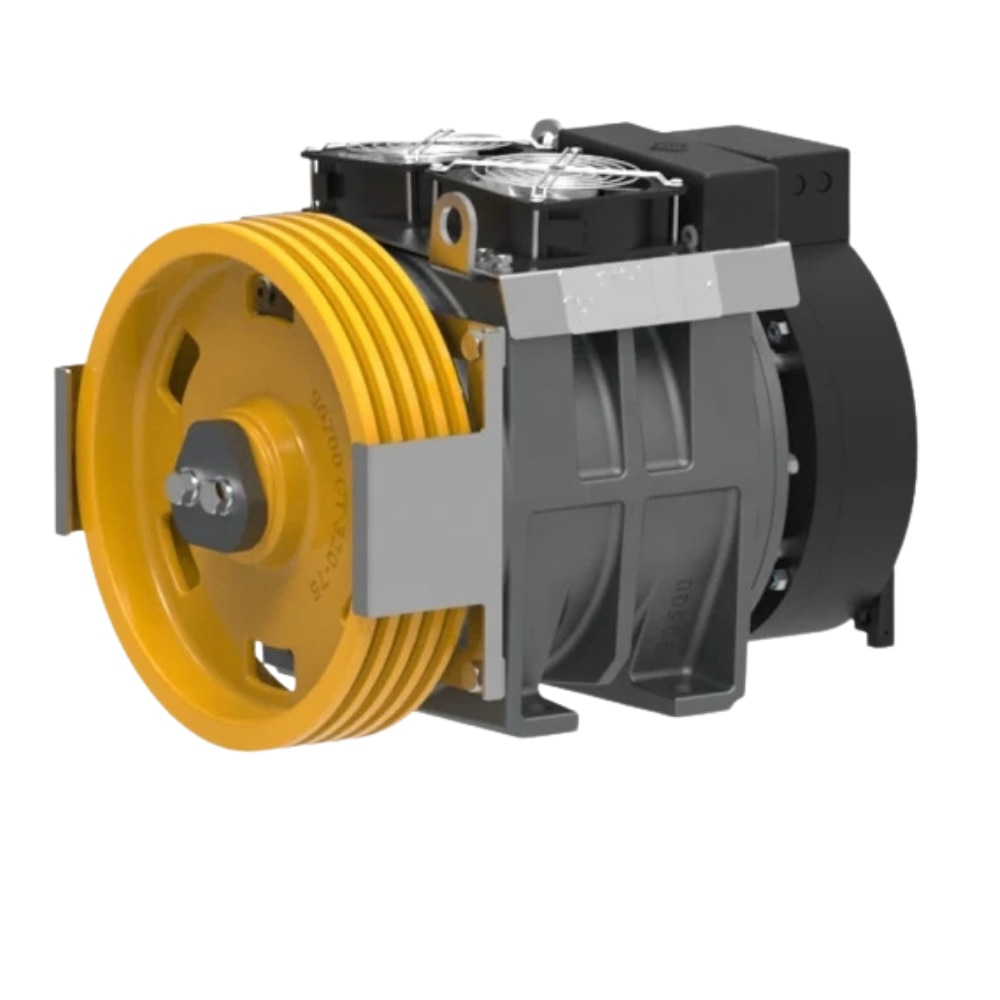 | Elevators Motors ₹95000 Discover premium elevator motors from Monadrive, Montanary, NBSL, and Technik Eesti. |
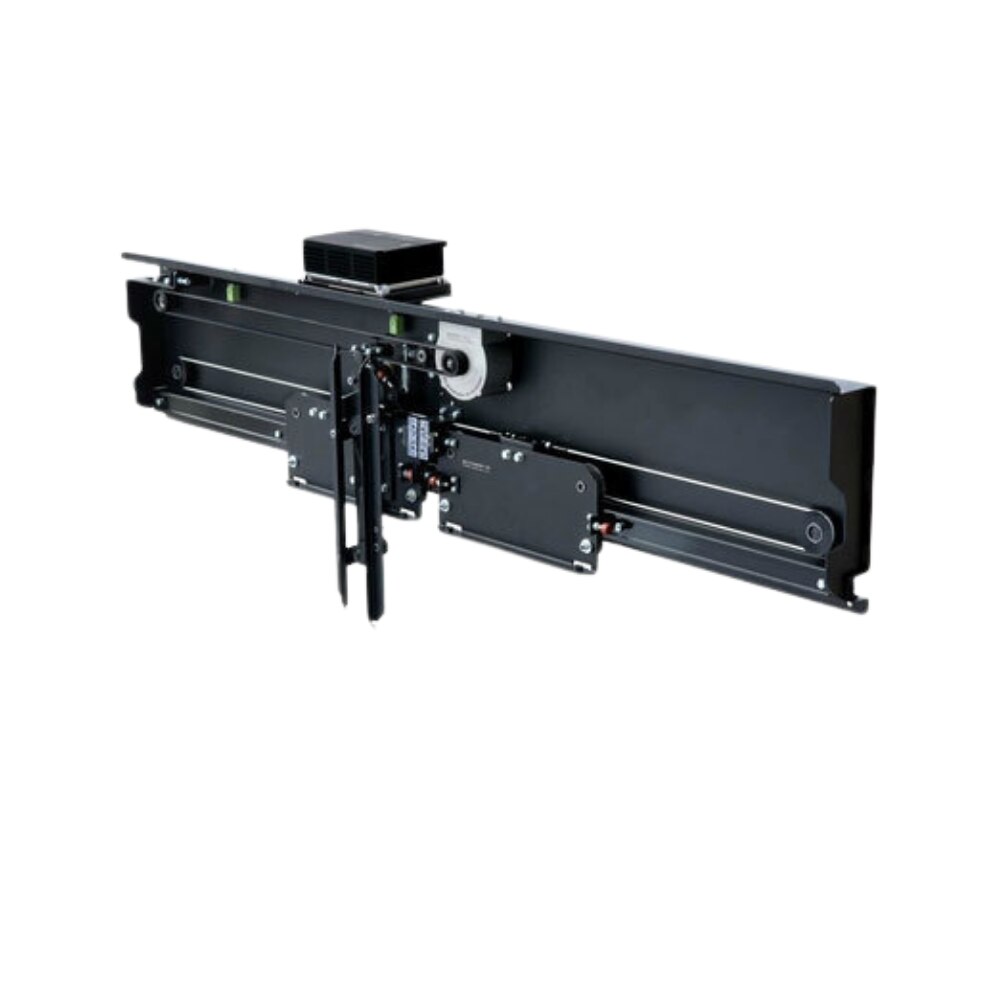 | Elevators ₹46000 Elevator Headers from Fermator and Wittur are designed for precision, durability, and seamless operation. View product → |
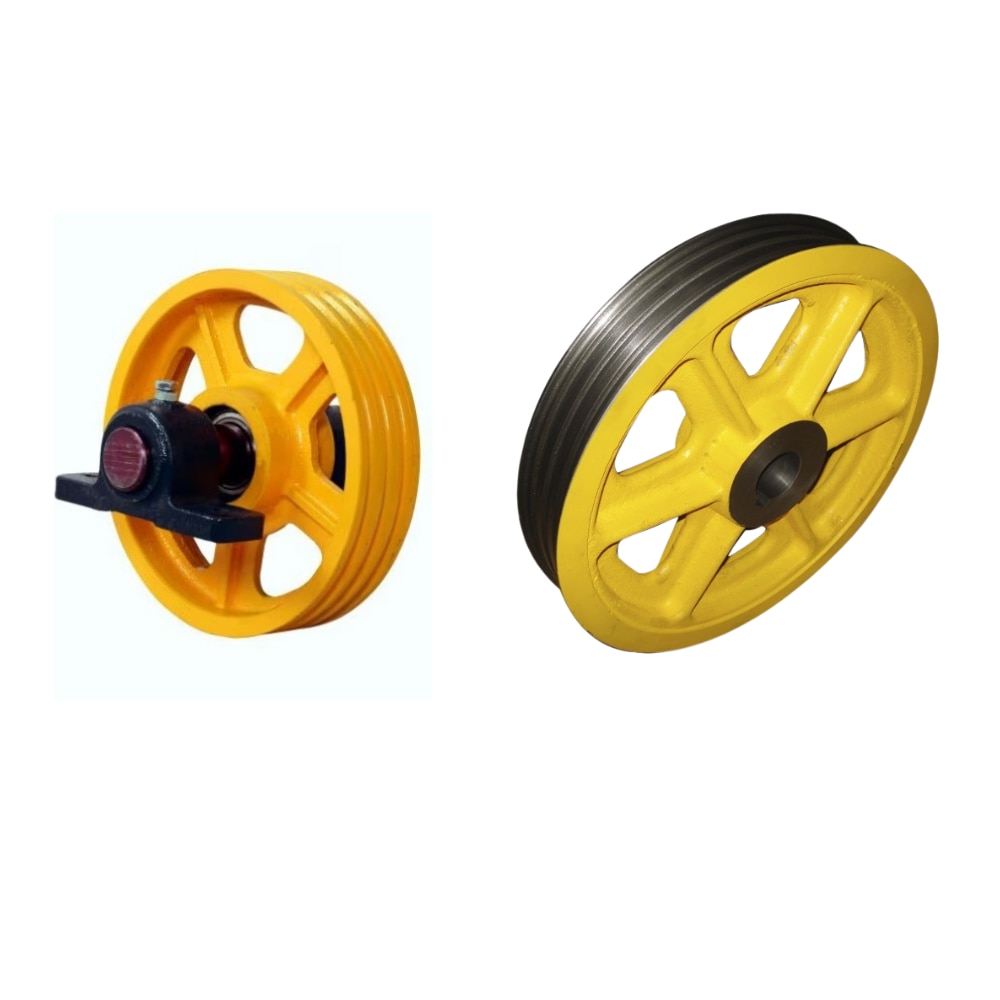 | Elevators Pulley ₹4700 Elevator Pulleys are engineered for durability and precision, ensuring smooth and reliable vertical movement. |
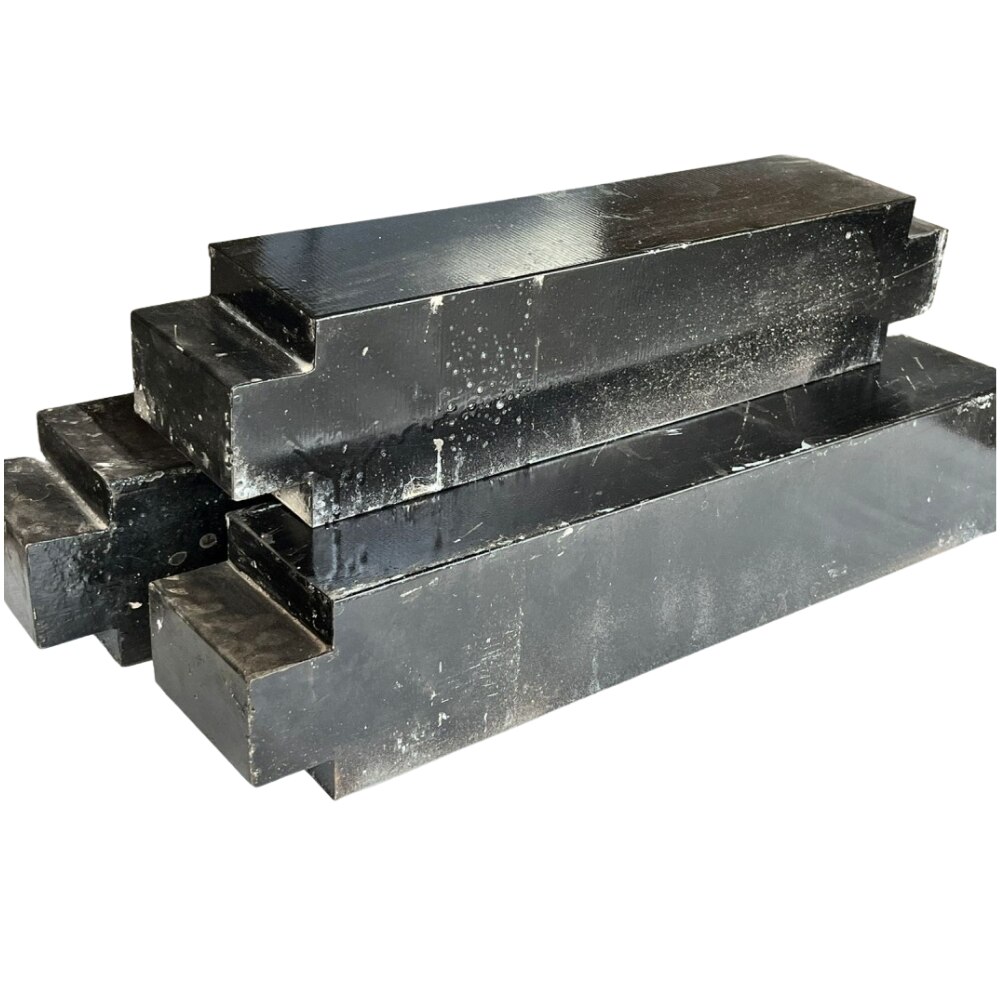 | Elevators ₹850 Elevator filler weights are precision-engineered components that enhance the stability and balance of the elevator system. View product → |