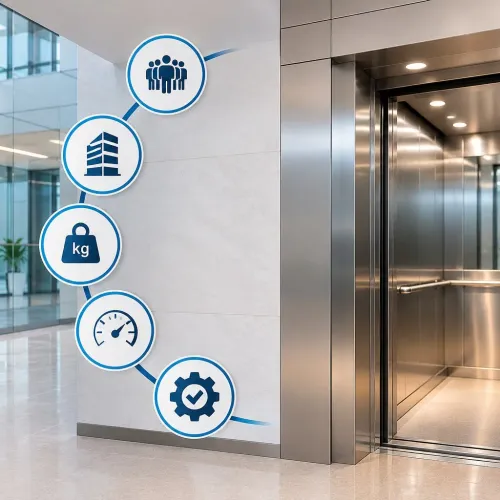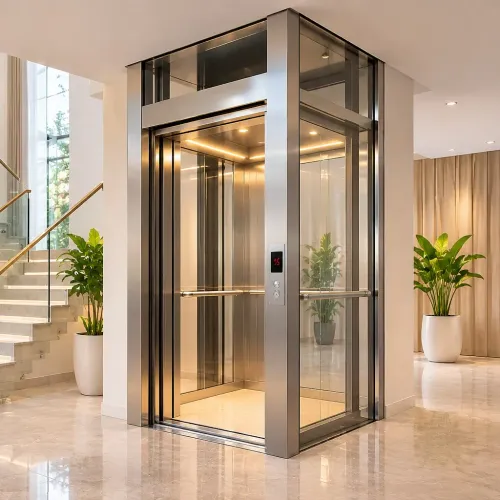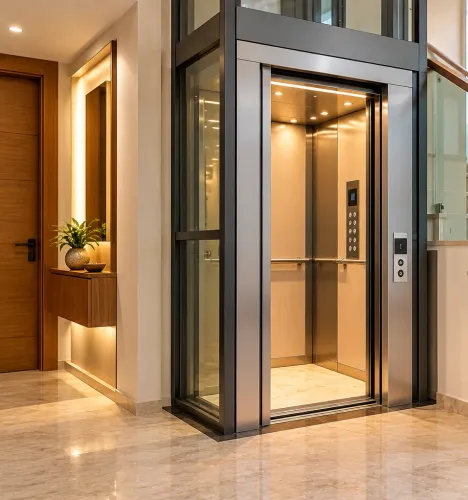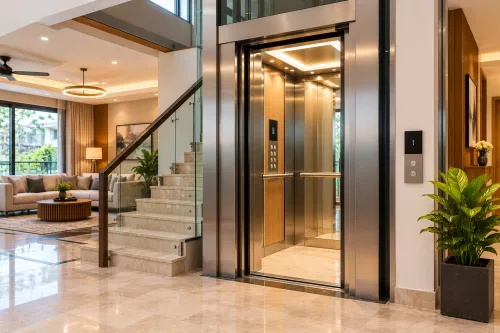
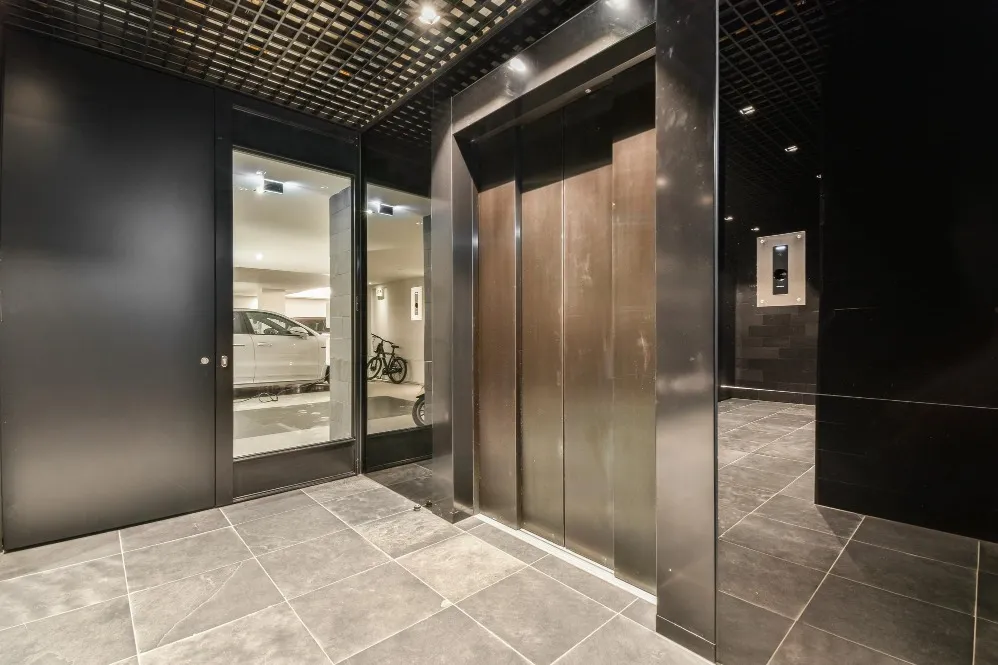
When evaluating passenger lift manufacturers, one of the first questions property owners face is lift capacity. Choosing capacity purely by looking at the number of people shown in a product catalogue can lead to poor traffic performance once the building becomes occupied.
Capacity should reflect how people actually move through the property.
Building Type Influences Passenger Demand
Passenger movement differs significantly between buildings.
A residential apartment may experience concentrated traffic during morning and evening periods. An office building can have a sharp rush at opening, lunch, and closing times. Hotels experience repeated movement between guest floors, reception areas, restaurants, and event spaces.
Hospitals, educational buildings, and mixed-use developments introduce further traffic patterns.
This is why the same passenger capacity cannot automatically be applied to every project.
Floor Count Matters
The number of floors affects how long the elevator remains occupied during each trip.
As the number of stops increases, passengers may wait longer for the cabin to return. In taller or heavily occupied properties, lift speed, number of elevators, control strategy, and capacity need to be considered together.
Simply choosing a larger cabin does not necessarily solve poor traffic flow.
Think About Peak-Time Usage
Normal traffic can make an undersized lift appear adequate. Peak-hour demand reveals whether the system has been planned properly.
Developers should consider questions such as:
- How many people may enter the building within a short period?
- Are most users travelling to similar floors?
- Will visitors create additional traffic?
- Does the building have predictable rush periods?
- Will users carry luggage, equipment, or other bulky items?
- Are accessibility requirements adequately addressed?
These questions help create a more realistic capacity requirement.
Cabin Dimensions Need Practical Evaluation
Rated passenger capacity is only one consideration. Cabin dimensions influence how comfortable and practical the elevator feels.
A lift may need additional usable space when residents regularly carry luggage, families use prams, wheelchair users require access, or a commercial property experiences movement of equipment.
Door width and entrance configuration can also influence usability.
Shaft Space Can Affect the Final Specification
Existing buildings often have tighter structural limitations than new developments.
In a new project, architects can coordinate lift requirements earlier in the design process. In an existing property, available shaft dimensions, pit conditions, headroom, structural arrangement, and access for installation may limit the available choices.
A site assessment can therefore be more useful than choosing capacity from a brochure.
Look Beyond Passenger Numbers
Reliable passenger lift manufacturers should evaluate the broader operating environment.
In Delhi, elevators may serve everything from independent residential buildings to offices, hotels, hospitals, retail properties, and large housing developments. The right specification depends on the individual project rather than the city alone.
Firefox Elevators Private Limited can assess project requirements involving passenger movement, lift configuration, components, installation, and ongoing maintenance.
The most suitable passenger lift is not necessarily the biggest available model. It is the system whose capacity, speed, cabin size, door arrangement, traffic handling, and technical configuration correspond to the building’s actual usage.
Taking time to calculate these requirements before installation can improve passenger convenience while helping avoid unnecessary investment in an oversized system or recurring congestion from an undersized one.
Keywords