An elevator can have a powerful motor and still deliver uneven starts, inaccurate landings, long waits, or unnecessary energy use if its control system is poorly matched to the building. By the end, you will know which control components affect ride quality, how to measure their results, and when a modernization or control strategy is worth the added equipment and commissioning effort.
Key takeaways
- Use closed-loop VVVF control for accurate speed and landing control.
- Measure jerk, vibration, stopping accuracy, and door timing—not just nominal speed.
- Review dispatch logic to reduce empty-car trips and unnecessary starts.
- Commission motion profiles, safety circuits, doors, and landing accuracy together.
What a modern elevator control system actually controls
An elevator trip is a coordinated sequence, not a motor switched on and off. The elevator control system receives a call, checks safety conditions, calculates a motion profile, moves the car, opens the doors, and confirms that the car has stopped correctly at the landing.
Its connected components have distinct jobs:
- Controller: Processes hall calls, car commands, safety inputs, load data, and position information, then issues movement and door commands.
- Variable-frequency drive: Converts the controller’s speed and torque commands into controlled electrical power.
- Traction motor: Turns the sheave, moving the car and counterweight through the hoist ropes.
- Encoder: Reports motor rotation or car position so the controller can compare actual movement with the commanded profile.
- Brake: Holds the car at the landing and releases only when the controller confirms a permitted movement.
- Door operator: Opens and closes the car doors while monitoring obstruction and lock signals.
- Car operating panel and hall call stations: Send passenger requests to the controller.
- Load weighing device: Reports car load so the system can adjust torque and dispatch decisions.
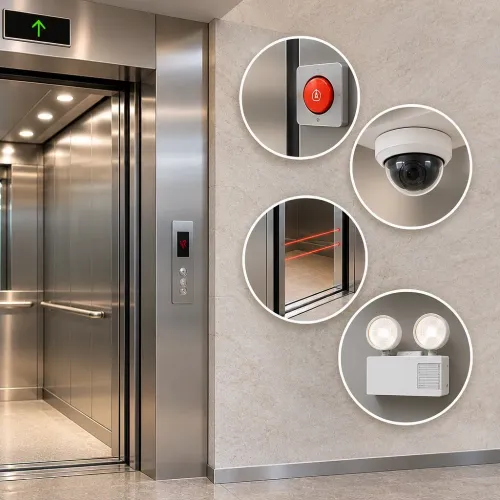
- Safety circuit: Stops or prevents movement when a door lock, overspeed device, limit switch, or emergency input is unsafe.
- Building-management-system interface: Exchanges status, alarms, and selected operating commands.
During travel, encoder feedback lets the controller correct speed, leveling, and torque. A wiring fault, missed encoder pulse, or incorrect motor data can therefore cause a drive fault or floor-leveling error even when the mechanical equipment appears sound.
Why closed-loop VVVF control produces a smoother, more accurate ride
Two-speed control gives the motor a small number of operating states: full speed, then a reduced speed before stopping. A VVVF drive instead varies voltage and frequency continuously, so the motor can produce controlled torque from standstill through full travel and into the leveling zone.
The car does not lurch into acceleration or coast through deceleration.
A S-curve motion profile limits jerk, the rate at which acceleration changes. The drive builds acceleration, holds it, and eases it away before stopping; passengers feel less kick at both ends of the trip. Excessively gentle settings create longer runs, so commissioning must balance comfort against travel time.
Closed-loop control compares the commanded motion with actual motor movement. Encoder feedback supplies shaft speed and position, allowing the controller to correct torque when car load, rope tension, or friction changes. That correction keeps acceleration consistent and helps the car approach the landing at a controlled speed instead of relying on a fixed timer.
At the floor, encoder position data supports precise slowdown and stopping, reducing the step between the car sill and landing. Accuracy still depends on encoder alignment, floor-position learning, brake release timing, door-zone sensing, and the machine’s mechanical condition.
Missed encoder pulses or incorrect motor data can create leveling errors or nuisance faults, so a drive replacement alone cannot guarantee a smoother ride.
How to measure ride quality instead of guessing from nominal speed
A better control system shows up in measured acceleration, jerk, stopping accuracy, vibration, noise, and trip timing—not in nominal speed alone. Use ISO 18738-1 for instrumentation and measurement conditions, then compare results with the project’s specified acceptance limits; the standard does not provide one universal comfort pass/fail value.
- Run repeated trips in both directions over the same floors, with an empty car and representative loaded conditions.
- Record the acceleration profile from start through leveling. Jerk is the rate at which acceleration changes; excessive peaks feel like a lurch, while very low limits can make the trip unnecessarily slow.
- Measure stopping accuracy at the landing and record door dwell time and floor-to-floor travel time. If leveling changes with load, check encoder feedback, floor-position learning, brake response, rope stretch, and door-zone sensors rather than blaming the inverter alone.
| Measurement | What it shows | How to use it |
|---|---|---|
| Acceleration and jerk | Smoothness during starting and stopping | Compare peak values and profile shape against the specified limits |
| Stopping accuracy | Car-floor alignment at entry and exit | Test every selected landing under different loads |
| Vibration measurement | Shaking from control, guides, sheave, or rotating equipment | Use calibrated cabin instrumentation and compare repeatability between runs |
| Noise | Motor, brake, doors, and structure-borne disturbance | Measure during travel, leveling, and door operation |
| Travel and door timing | Service performance, not just comfort | Compare complete trips, intermediate stops, and door dwell against the traffic design target |
How dispatch logic and energy controls reduce wasted trips and power
A bank controller uses group dispatch to assign each hall call to the car that can serve it with the least added travel, rather than sending every car toward the same demand.
Destination dispatch goes further: passengers enter their floors at a kiosk, and software groups people travelling in similar directions, reducing intermediate stops and empty-car movement.
The main controls that cut waste are:
- Load weighing prevents overload and tells dispatch software when a car is near capacity, so it does not receive more hall calls. Recheck its calibration after sensor aging, car-floor changes, or uneven loading; a wrong signal creates both delays and unsafe assignments.
- Standby functions reduce power to nonessential car loads during inactivity, then wake the system when a call arrives. Keep required safety and accessibility functions active, and verify the wake-up response rather than accepting a claimed sleep-mode saving.
- A regenerative drive returns energy to the building supply when a heavy car descends or a light car ascends. It does not save energy on every trip; provide a braking resistor or another dissipation method when the building cannot accept regenerated power.
Destination dispatch is not automatically faster. It performs best with predictable high-rise traffic and passenger compliance; kiosk time and frequent destination changes can make conventional collective control better for mixed traffic. Measure standby use, trip energy, and handling performance under representative traffic, using ISO 25745 as the energy-performance framework.
Safety circuits, emergency operation, and accessibility must remain available throughout.
Choosing and commissioning the right control architecture
A controller rated for the car’s speed and load is not automatically compatible with the installed machine. Check the motor, brake, encoder, door operator, traveling cable, shaft sensors, safety circuit, and building power supply before choosing the architecture.
| Option | Main control characteristics | Selection test |
|---|---|---|
| Traction elevator | VVVF drive controls a motor, brake, and encoder; regenerative operation is possible during overrunning loads | Confirm motor data, encoder type, brake coil timing, counterweight arrangement, and whether a braking resistor is needed when the building cannot accept regenerated power |
| Hydraulic elevator | Pump motor and valve control determine pressure, speed, stopping, and leveling; there is no traction motor or counterweight | Check pump capacity, valve compatibility, oil temperature range, cylinder condition, releveling behavior, and available electrical capacity |
| Either system | Standby control can reduce car lighting, ventilation, displays, and other nonessential loads | Verify wake-up time, accessibility functions, alarm operation, and safety compliance before enabling sleep modes; assess energy performance using ISO 25745 |
Commission the modernization against the installed equipment, not the brochure:
- Identify the motor and tune the drive; test acceleration, deceleration, leveling, and full-load travel.
- Record brake pickup and release timing, then confirm the car stops safely after power loss.
- Test door opening, closing force, obstruction response, dwell time, and every landing sensor.
- Run emergency operation, inspection mode, alarm communication, and repeated empty- and full-load cycles.
When Firefox Elevators Private Limited prepares a modernization scope, require an equipment compatibility schedule that names each retained component, replacement interface, test result, and acceptance limit. Without that record, a smooth first ride proves very little.
Related products
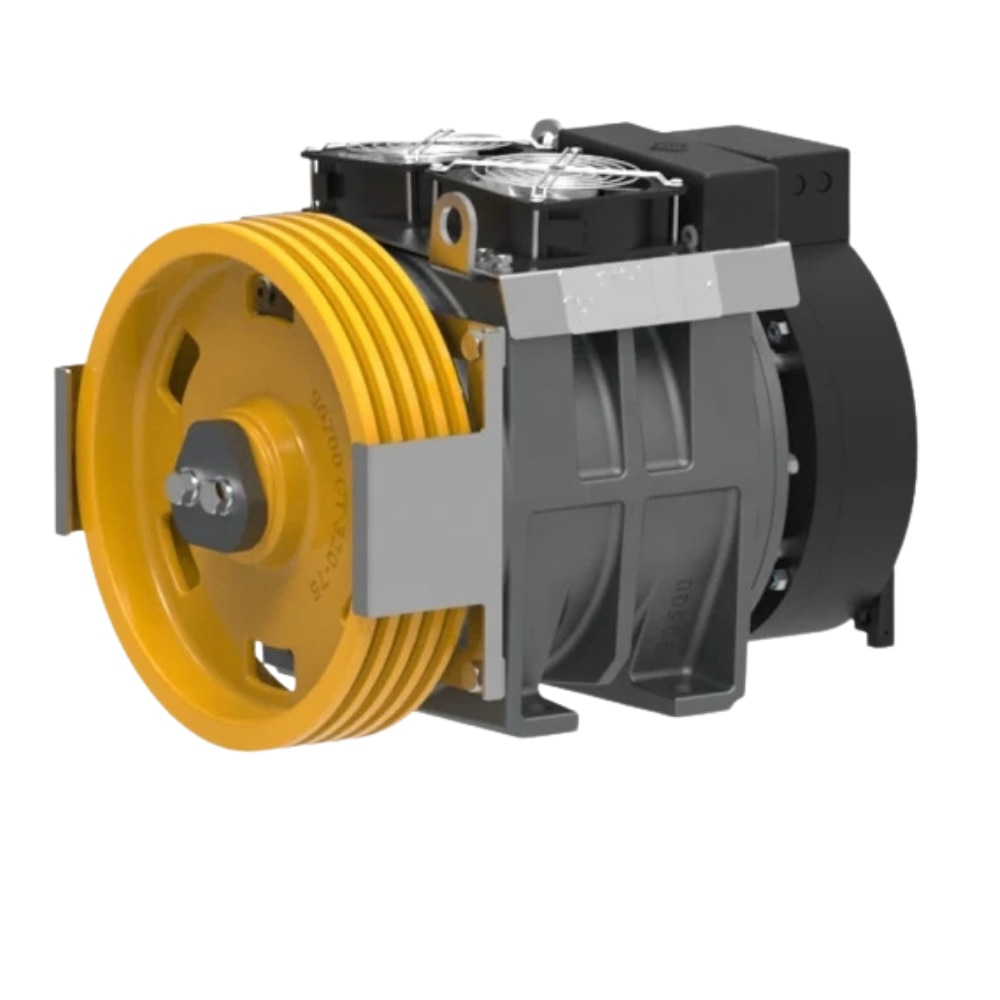 | Elevators Motors ₹95000 Discover premium elevator motors from Monadrive, Montanary, NBSL, and Technik Eesti. |
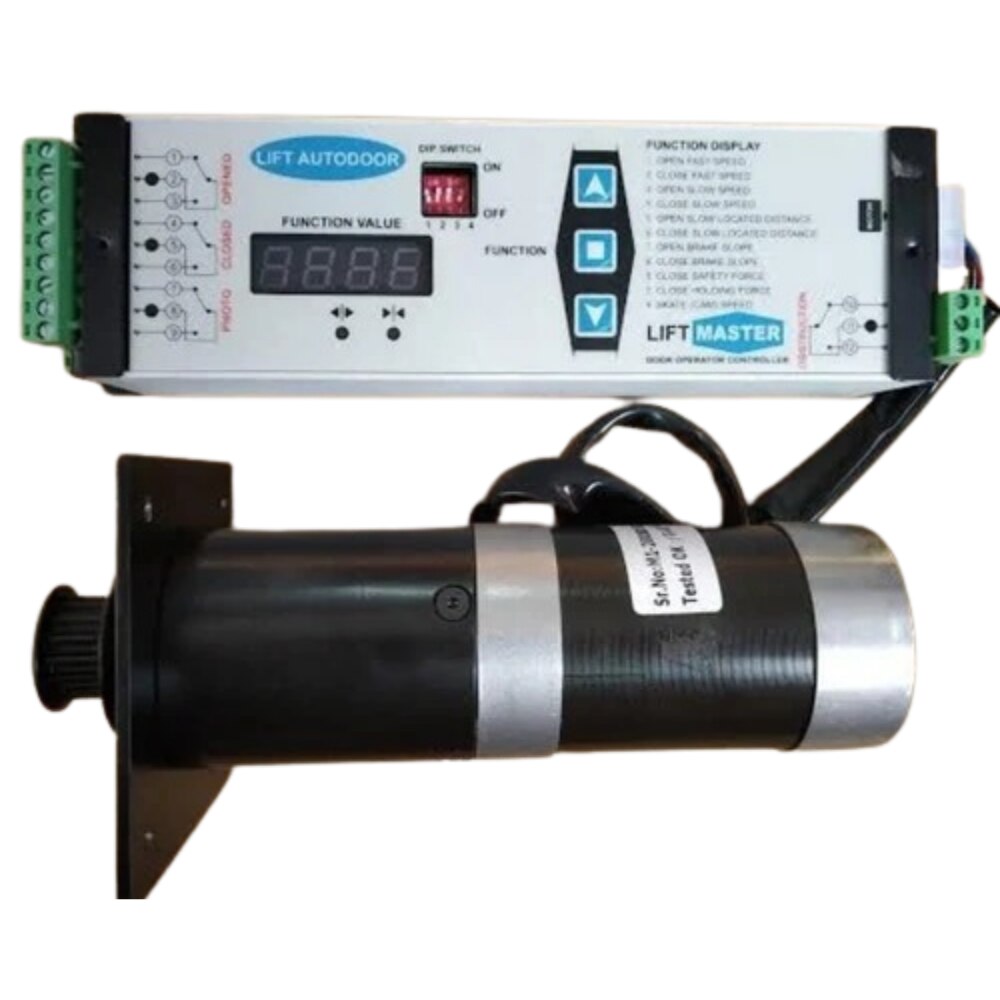 | Elevators Elevator Door Operator Controller ₹17700 The Elevator Door Operator Controller ensures precise and efficient operation of elevator doors, enhancing safety, reliability, and seamless... View product → |
Frequently asked questions
What does a modern elevator control system control?
It coordinates calls, safety checks, motor motion profiles, braking, door operation, and landing confirmation.
Why does closed-loop VVVF control improve ride comfort?
It continuously compares commanded and actual motor performance, allowing smoother acceleration, deceleration, speed regulation, and stopping.
How do you measure elevator ride quality?
Record acceleration, jerk, vibration, stopping accuracy, door timing, and leveling performance instead of relying only on nominal speed.
How do dispatch and energy controls reduce wasted elevator trips?
They group calls, assign cars according to demand, reduce unnecessary starts, and manage standby or regenerative energy functions.
What should you check when commissioning an elevator control system?
Test safety circuits, motion profiles, leveling, doors, call response, dispatch logic, fault handling, and performance under realistic traffic.
Related products
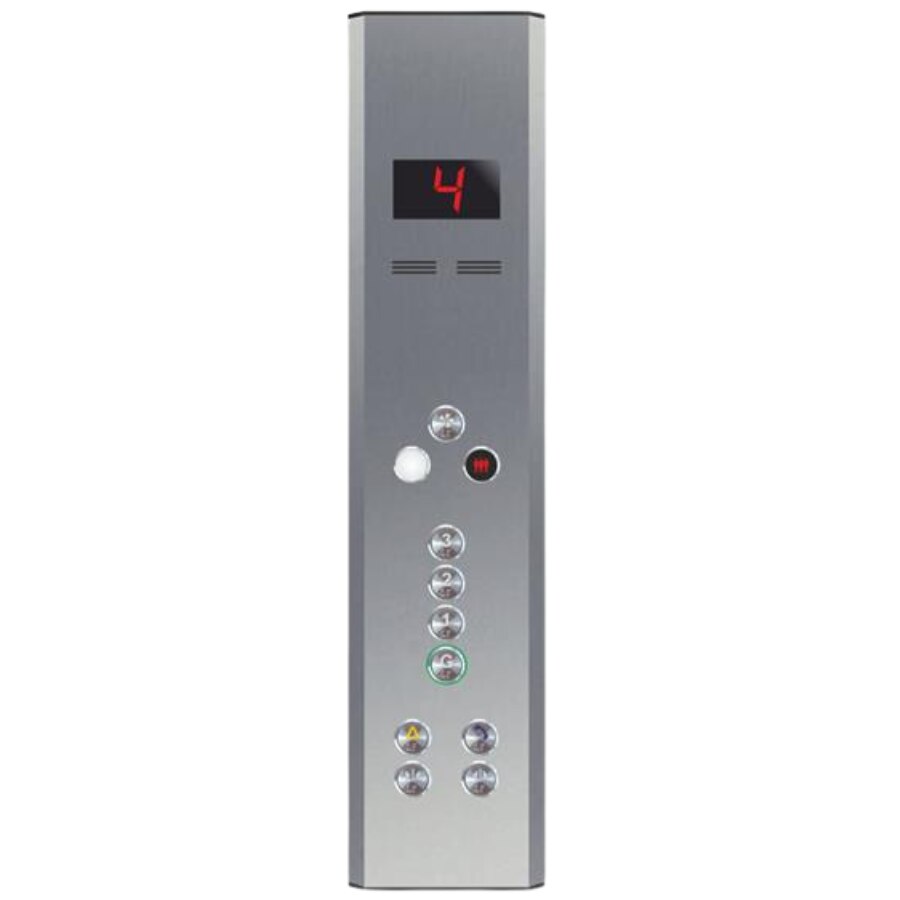 | Elevators ₹8850 Elevator COP (Car Operating Panel) are essential control interfaces designed for user convenience and functionality. View product → |
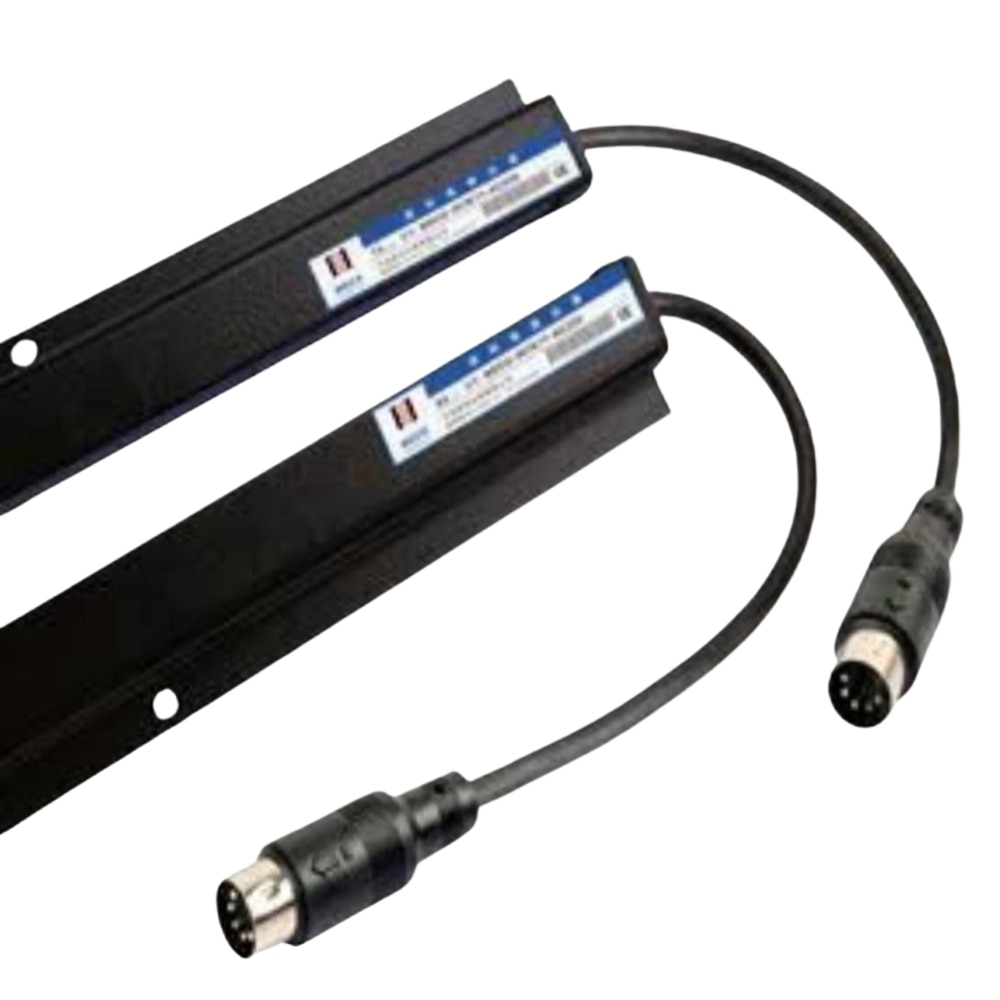 | Elevators ₹5900 Elevator Door Sensors are advanced safety devices designed to detect obstructions and ensure seamless door operation. View product → |
Keywords