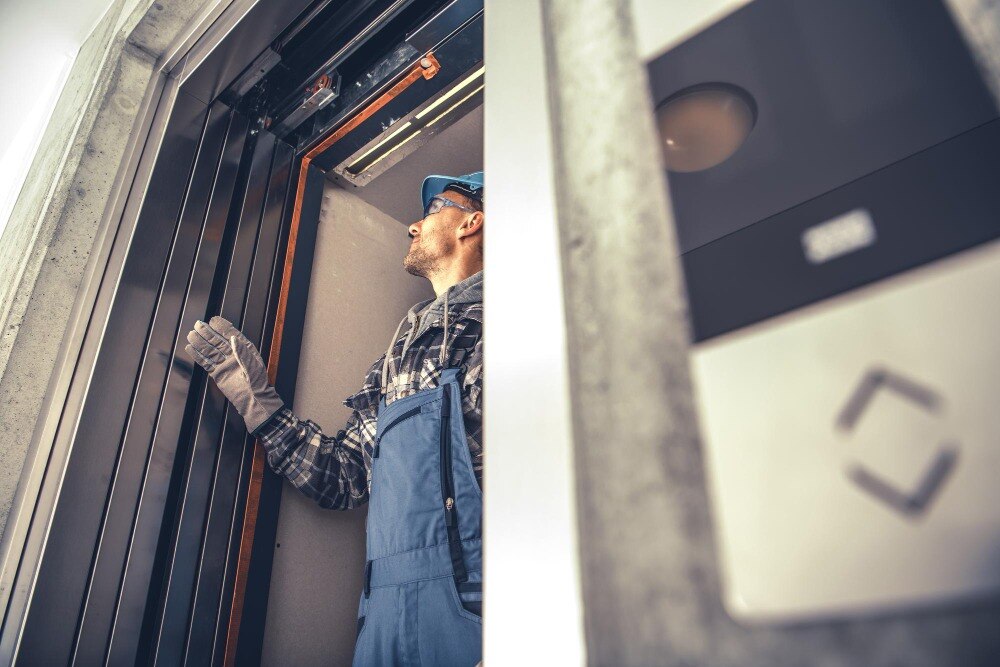
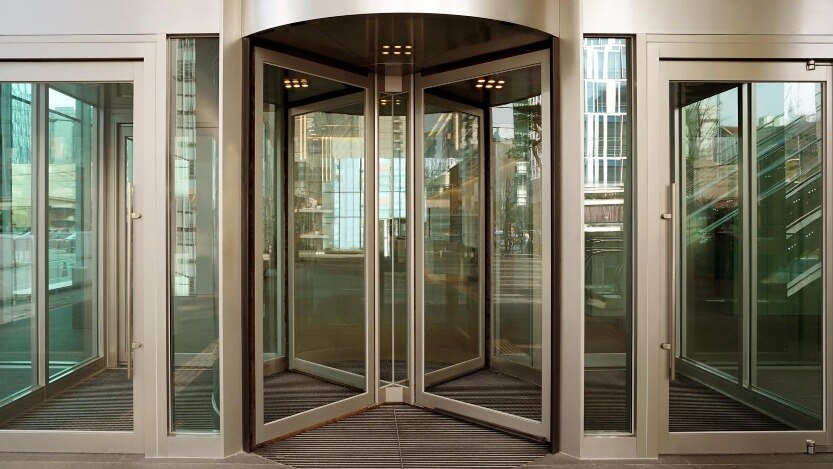
An automatic elevator door is a coordinated system of panels, rollers, belts, controls, locks and sensing devices—not simply a motor that opens and closes an entrance. By the end, you will be able to follow the door’s operating sequence, compare door layouts, identify safety and performance risks, and request specifications that make suppliers’ claims measurable.
Key takeaways
- Confirm the car is level before allowing landing-door locks to release.
- Choose center-opening or telescopic doors based on available landing width.
- Use sensors for obstruction detection, interlocks for lock status and landing doors for shaft protection.
- Compare opening time, clear width, cycle duty and noise—not appearance alone.
What happens from elevator arrival to door closure
After the car levels at a floor, the automatic elevator door system confirms that the car is inside the permitted door zone. The controller then permits the landing-door locks to release and commands the car-door operator to open.
1. The operator motor turns a drive sheave through a belt or chain. Its clutch or pickup engages the landing door, so the car door and landing door move together.
2. Door panels travel on hanger rollers above the opening while their lower guides track along the sill. The controller controls acceleration, high-speed travel, deceleration and the slow final approach rather than simply running the motor at one speed.
3. An encoder reports shaft rotation and panel position. The controller compares that feedback with learned open and closed limits; incorrect limits, belt slip or an encoder fault can cause slow movement, impact at the limit or repeated repositioning.
4. Once the panels reach the learned open position, the controller confirms the open limit and starts the programmed dwell period. Accessibility settings can require the door to remain fully open for a defined minimum time.
5. The controller commands closing after dwell expires. It reduces speed near the sill and closed position, while light curtains or other obstruction sensors command reopening when a person or object interrupts the detection field.
6. After the panels meet, the landing-door interlock must mechanically lock and prove the locked condition electrically. The elevator remains prevented from running if that proof is missing.
The car operator supplies the motion, but it does not guarantee that every landing door is free of friction; dirty sills, worn hanger rollers or a damaged coupling can still make one floor bind.
How center-opening and telescopic doors use building space
A center-opening elevator door splits the travel and panel mass between both sides of the entrance. A telescopic elevator door, also called a side-opening door, stacks two or more panels toward one jamb, changing the space needed around the entrance even when the clear opening width is identical.
| Option | Clear opening width | Shaft width | Landing depth | Wall space | Moving-panel loads |
|---|---|---|---|---|---|
| Center-opening elevator door | The opening is centred, with panels leaving equally on both sides | Needs width for the opening plus a pocket and equipment space on each side | Usually shallower at each jamb because panels do not stack together | Uses both side walls symmetrically | Shares mass, guide forces and hanger loads between both sides |
| Side-opening telescopic door | Can provide the specified opening while using a narrower entrance zone across the shaft | Can suit a restricted shaft width, but one side needs space for stacked panels and hardware | Needs a deeper or more substantial pocket at the stacking side | Concentrates pocket, sill and operator space at one side | Concentrates panel weight and guide forces on one side, increasing sensitivity to roller loading, alignment and clutch adjustment |
Do not compare doors by clear opening width alone. A telescopic arrangement can solve a narrow shaft-front problem but consume valuable wall or landing space at one jamb; a centre-opening layout can demand more overall shaft width but leave the loads balanced.
Pressure differences from stack effect or mechanical ventilation can worsen either arrangement. Check operation at upper and lower floors under representative HVAC conditions, because a door that works in a quiet test bay can rebound, drag or close slowly in the building.
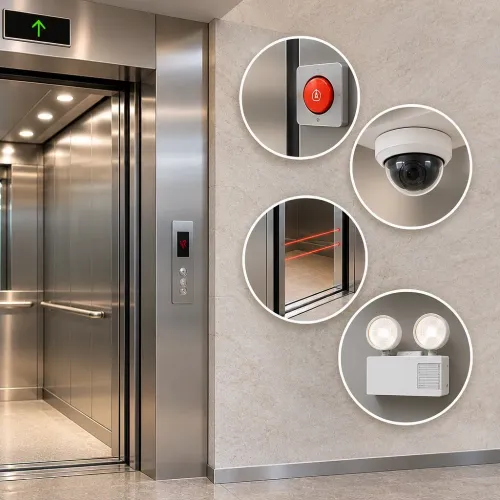
Why sensors, interlocks and landing doors perform different safety jobs
A door controller coordinates movement, reopening and locking, but no single device provides complete protection. The car-door operator moves the panels; a clutch or pickup moves the landing door, so the operator can run while a landing door binds or fails to engage.
- A light curtain uses multiple infrared beams across the entrance as an obstruction sensor. It can reopen the doors when a person or object breaks the field, but a narrow, misaligned or dirty array can miss a low obstacle; sunlight, reflections and damaged lenses can cause false trips or missed detection.
- A photoelectric beam detects interruption at one defined height and position. It is simpler than a light curtain, but it cannot cover the gaps above, below or beside its beam, so it may miss a small or poorly positioned obstruction.
- A mechanical interlock physically locks each landing door and supplies an electrical proof signal. The elevator must not run without that locked-and-closed proof, yet contamination, adjustment errors or a worn lock contact can cause intermittent shutdowns; a shut panel is not necessarily locked.
- A restrictor prevents someone from opening a landing door when the car is outside the permitted unlocking zone. It does not stop an obstruction in the entrance, and forcing a door can damage the restrictor, interlock or clutch.
- The door controller interprets sensor, lock and position signals and commands the motor. It cannot correct mechanical drag or a failed sensor, and prolonged obstruction can trigger nudging: audible warning, reduced speed and reduced reopening protection.
Specify what happens during nudging, then test reopening devices, interlocks and restrictors separately.
Which door specifications reveal real performance
Request measured cycle data, not just motor speed. Compare door speed, full opening and closing time, door dwell time, reopening response, clear opening, panel mass, and the rated load of the elevator; rated load describes the car, not door quality, but affects traffic and operator sizing.
Ask for these figures under stated test conditions:
- Time from the open command to the fully open limit
- Time from closing command to locked position
- Dwell time and the event that restarts it
- Reopening distance and response time after sensor detection
- Closing force and kinetic energy, checked against the governing edition of ASME A17.1/CSA B44 or EN 81-20
- Performance at representative floors, HVAC conditions and supply voltage
| Condition | Specify or test | Performance effect |
|---|---|---|
| High traffic | Short cycle time with controlled dwell | Higher capacity, less reaction time |
| Accessibility | At least three seconds fully open where ADA applies, plus reopening behavior | Prevents premature closure |
| Tall or pressurized building | Door cycles with HVAC systems at normal and peak pressure | Pressure can slow travel or cause rebound |
| Outdoor-exposed, humid or dusty use | Temperature, humidity, wind, corrosion protection and sill-cleaning plan | Contamination and weather increase friction |
| Hospital, hotel or freight use | Duty-cycle rating, noise, impact tolerance and cleaning access | Frequent or heavy use exposes wear faster |
For a quotation from Firefox Elevators Private Limited, require these measurements for the proposed door assembly rather than accepting “high speed” as a specification. The installed configuration—not a factory default—decides whether the package suits your building.
Related products
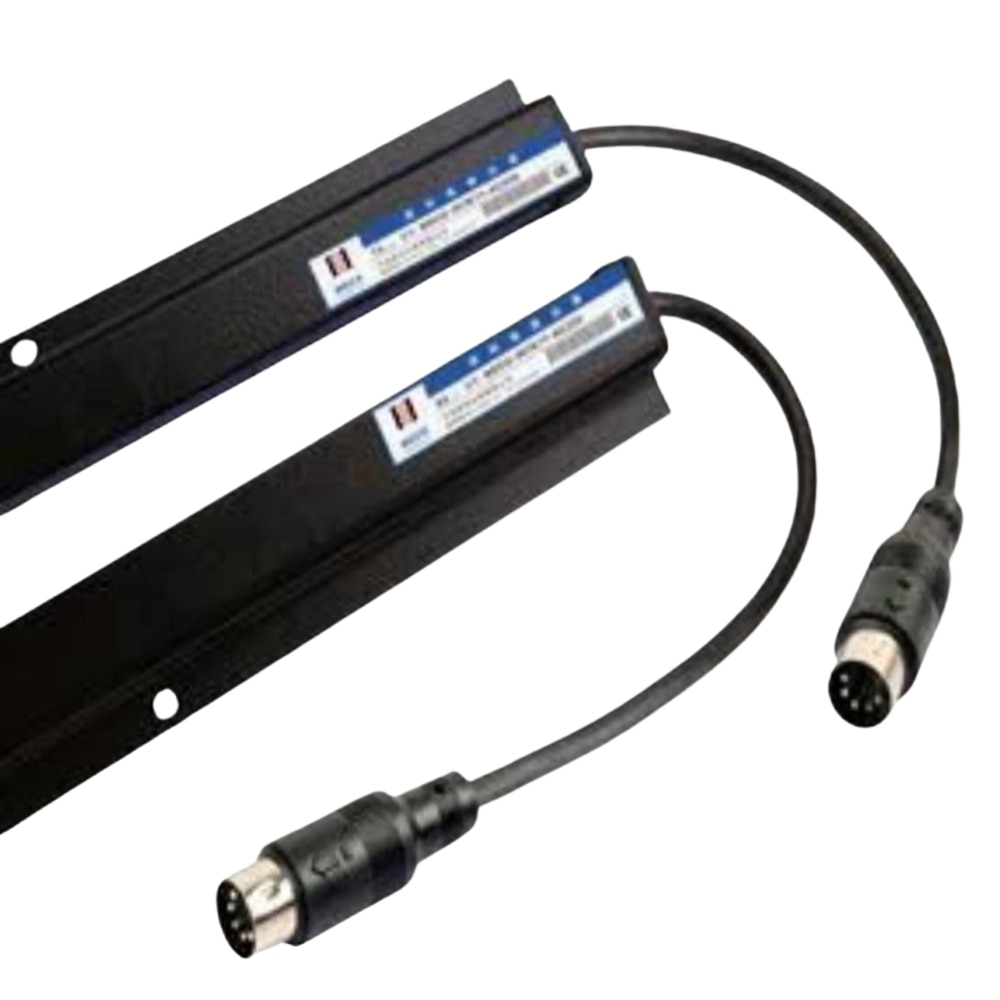 | Elevators ₹5900 Elevator Door Sensors are advanced safety devices designed to detect obstructions and ensure seamless door operation. View product → |
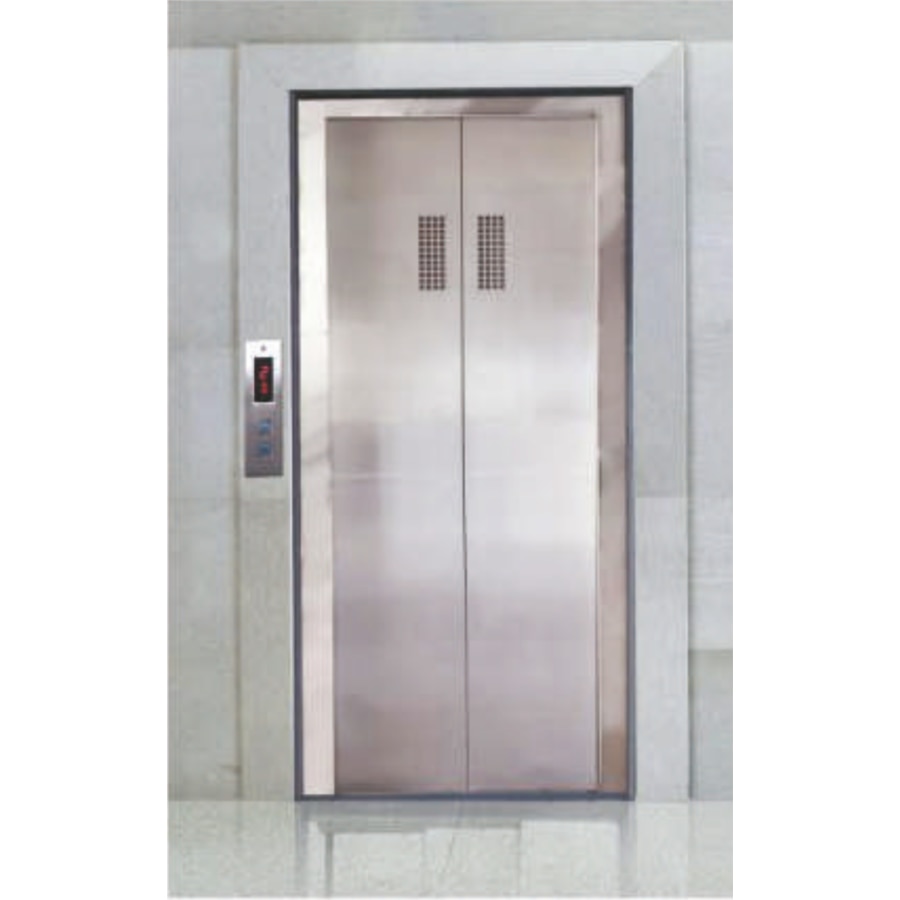 | Elevators Center Opening Auto Door ( Small Vision) ₹8500 Center Opening Auto Door (Small Vision) by Firefox Elevators Private Limited is a premium automatic elevator door solution designed for smooth... View product → |
How to diagnose inconsistent doors and maintain them safely
A door that is slow, noisy or uneven is mechanical until inspection proves otherwise. Do not increase motor torque or closing speed first; that can hide friction while increasing impact energy and wear.
1. Run several cycles while observing the panels, sill and hanger rollers. Grinding, hesitation at the same point, loose fasteners, flat-spotted rollers, a damaged clutch, dirty tracks or incorrect belt tension indicate mechanical resistance. Sill cleaning and track alignment come before adjustment.
2. Place an object across the doorway during closing. Failure to reopen, intermittent detection or a dirty optical lens points to a sensor fault; check light curtains, wiring, alignment and fault history without bypassing the safety circuit.
3. If the door loses its learned open or closed position, hunts at the limit or stops at varying locations, inspect the encoder, its coupling and wiring for an encoder fault. A slipping belt, damaged teeth or incorrect belt tension can produce similar position errors.
4. If the car is physically closed but the lift will not run, inspect the landing-door interlock, lock contact, restrictor and coupling. Contamination or poor adjustment can interrupt the safety circuit even when the door appears shut.
5. Repeat tests in normal automatic, independent, lobby control, recall and firefighter service modes. Door-hold commands and recall logic change reopening and closing behavior, so test recall and alternate recall floors under representative HVAC pressure.
Require door maintenance records to include measured cycle times, closing force or kinetic-energy checks where applicable, reopening-device tests, interlock and restrictor inspection, sill and hanger cleaning, belt and roller condition, learned positions, and controller fault history. Include seasonal checks for moisture, corrosion, temperature and pressure effects.
Frequently asked questions
What happens before automatic elevator doors open?
After the car levels, the controller confirms it is within the permitted door zone. It then permits the landing-door locks to release and commands the car-door operator to open.
What is the space difference between center-opening and telescopic elevator doors?
Center-opening doors split from the middle and need balanced clearance on both sides. Telescopic doors slide in the same direction, reducing the required opening-side space but needing deeper door-pocket space.
How do elevator sensors and interlocks differ?
Sensors detect people or objects in the doorway and can reverse or hold the doors. Interlocks confirm that landing doors are closed and locked before travel is permitted.
Which elevator door specifications indicate real performance?
Check clear opening width, opening and closing times, door-cycle duty, obstruction-detection method, noise, leveling accuracy and the available replacement parts.
Related products
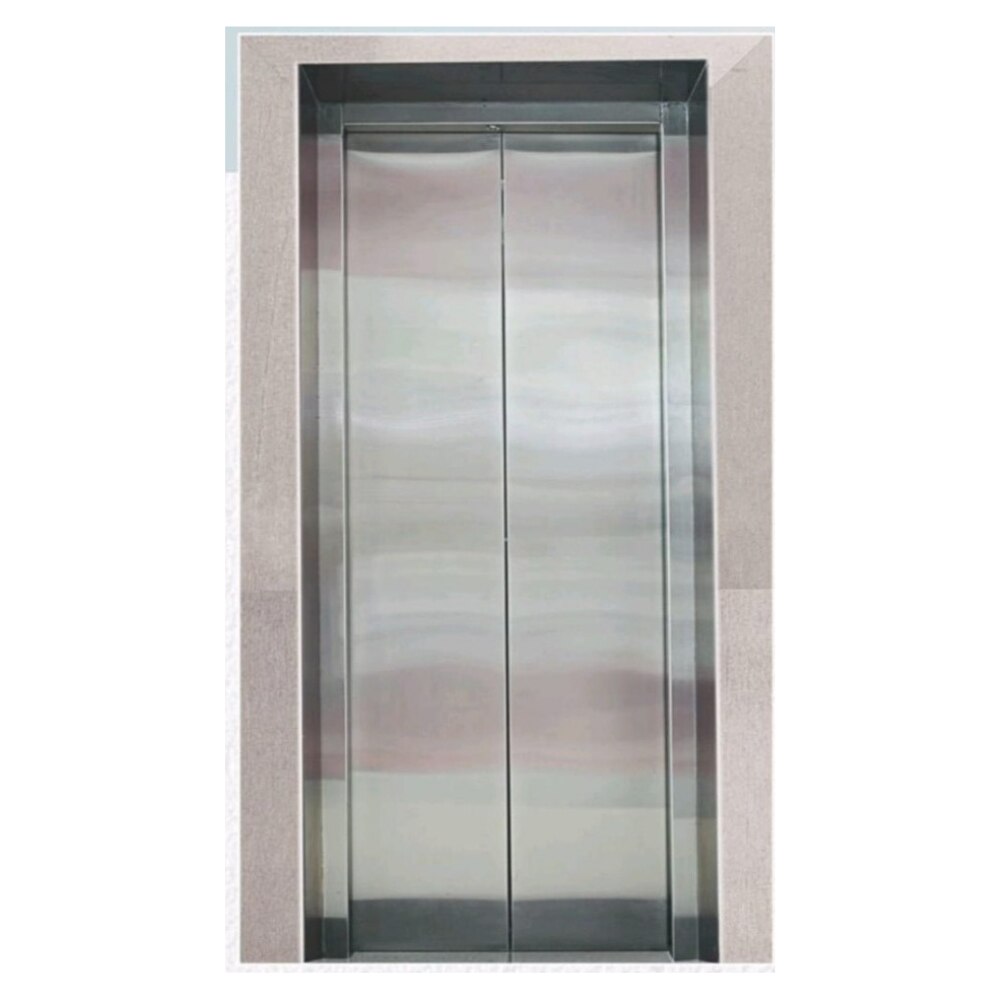 | Elevators ₹8260 Plain S.S Auto Doors by Firefox Elevators Private Limited are durable and high-performance elevator entrance solutions designed for smooth automatic... View product → |
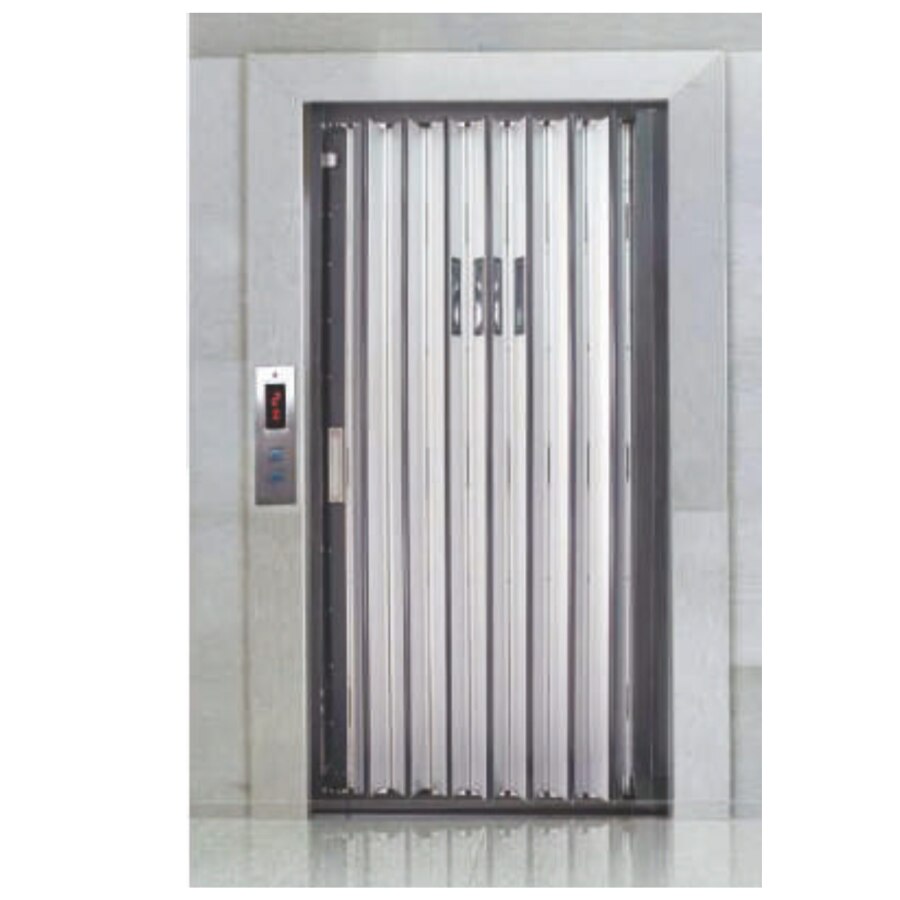 | Elevators ₹11200 Imperforated Doors by Firefox Elevators Private Limited are premium-quality elevator doors designed to provide enhanced safety, durability, and... View product → |
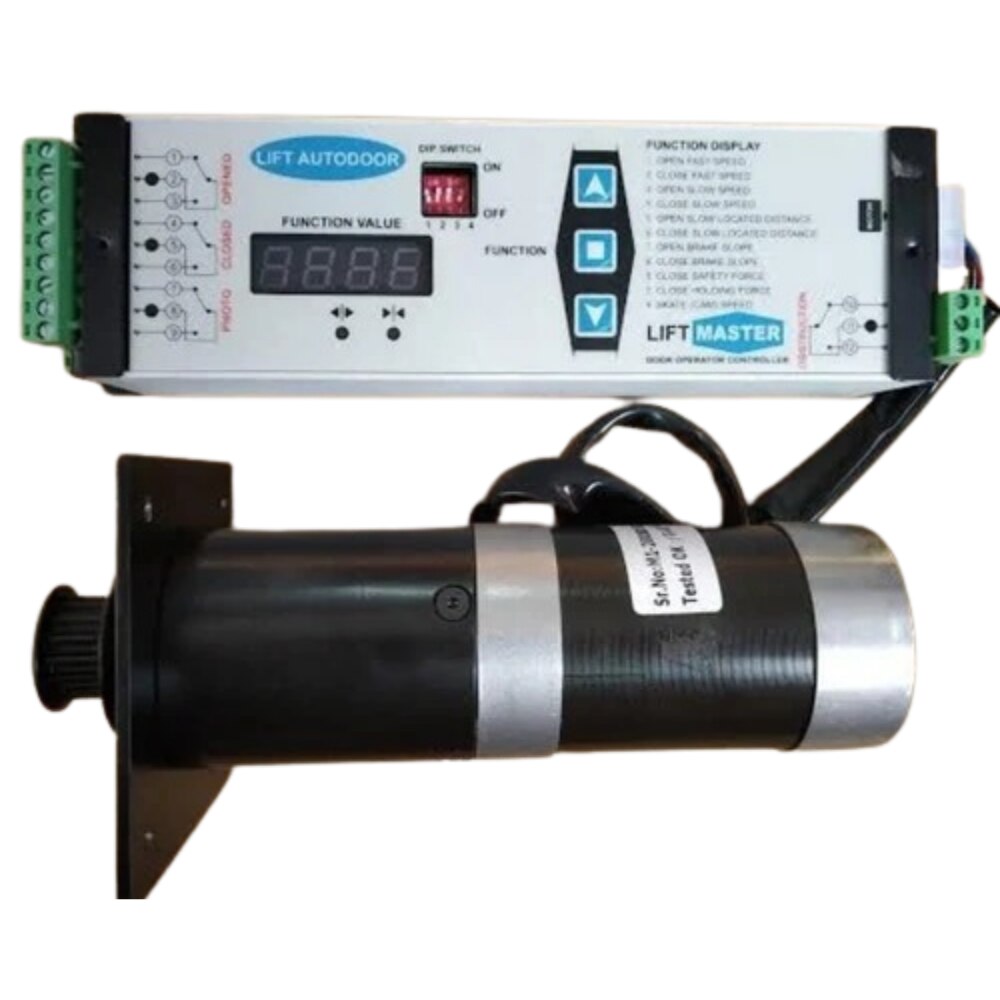 | Elevators Elevator Door Operator Controller ₹17700 The Elevator Door Operator Controller ensures precise and efficient operation of elevator doors, enhancing safety, reliability, and seamless... View product → |
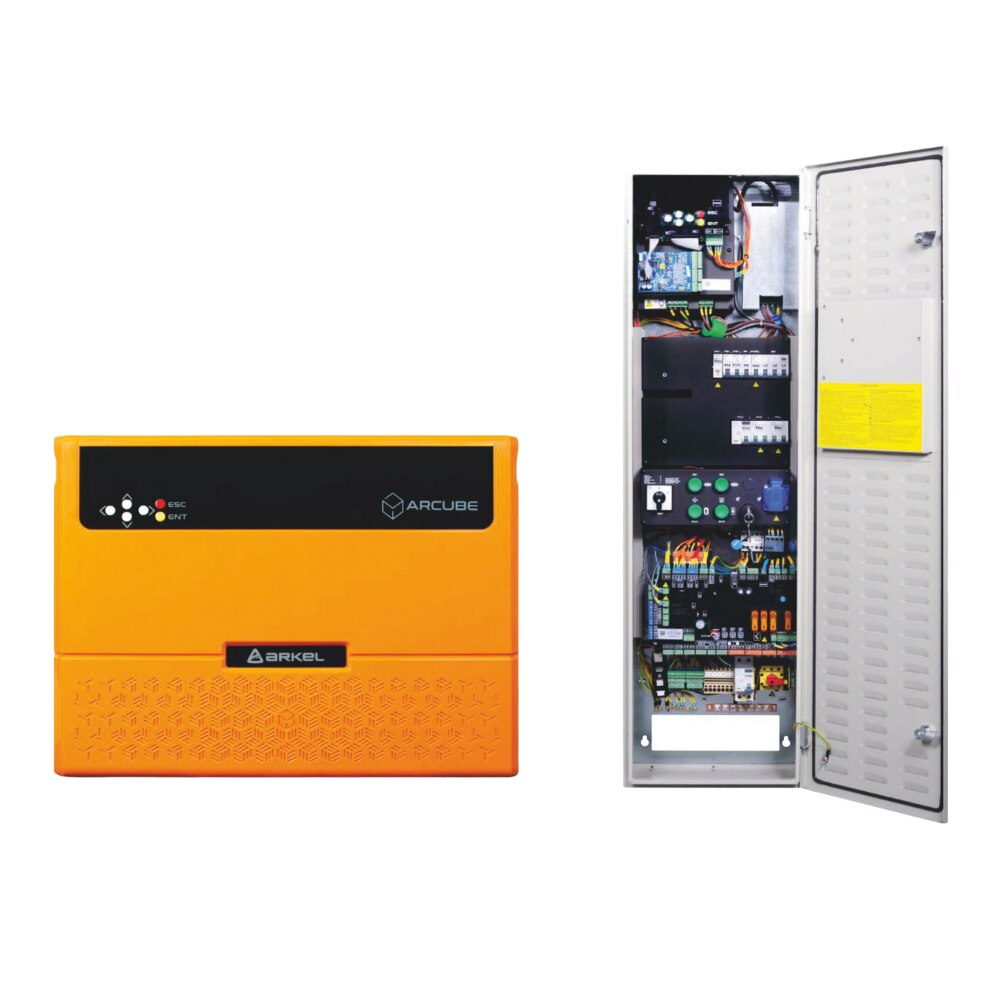 | Elevators Panel ₹63720 Enhance your space with full-panel elevator doors, combining durability and modern aesthetics for a seamless vertical experience. |
Keywords