A lift’s motor is only one part of its electricity demand: standby controls, car lighting, ventilation, door operation and traffic patterns can determine the annual total. By the end, you will be able to estimate whole-system consumption, compare traction and hydraulic options, and request evidence that supports an energy-saving claim.
Key takeaways
- Include movement, doors, lighting, ventilation and standby loads in energy estimates.
- Compare traction and hydraulic systems using the same duty cycle and travel assumptions.
- Ask for annual kWh figures, standby consumption and test conditions.
- Specify LED lighting, sleep controls and regenerative braking where suitable.
Where a Lift Uses Electricity During a Full Duty Cycle
A lift uses electricity while moving and while waiting. The full duty cycle includes motor movement, acceleration and braking, door operation, car lighting, ventilation, controls, displays, alarms and machine-room equipment such as cooling fans or pumps. Friction from door rollers, guide components, brakes, ropes or sheaves increases resistance and raises lift power consumption.
| Phase | Main electrical loads | What increases consumption |
|---|---|---|
| Travel | Motor, drive, controls and braking system | Heavy loads, long journeys, repeated starts, poor alignment or brake drag |
| Doors and levelling | Door operator, sensors and controller | Slow or obstructed doors, repeated reopening, inaccurate re-levelling |
| Idle | Controller, displays, lighting, fan and power supplies | No sleep mode, continuous fan operation or permanently lit LEDs |
| Machine room | Drive cooling, hydraulic pump or auxiliary equipment | Heat, hydraulic pressure demand and equipment left energised |
Standby can matter as much as movement in a lightly used building because the lift may sit energised for most of the day. Measure idle demand separately from travel energy, then calculate watt-hours per defined cycle.
Do not accept “standby power in watts per cycle” as a technically complete figure: watts describe a rate, while watt-hours describe energy per cycle. Automatic sleep controls, occupancy-based lighting and demand-controlled ventilation reduce auxiliary demand, but never disable emergency lighting, alarms, required ventilation or accessibility features.
A regenerative drive helps only during generating travel, and only when recovered electricity has a simultaneous load, storage path or suitable export converter.
Traction, Hydraulic and Counterweight Choices
A traction lift usually uses less electricity over a duty cycle because the motor moves a counterbalanced car instead of forcing oil through a cylinder. A hydraulic lift can still suit a low-rise building when travel is short, traffic is light, speed is modest and compact installation matters more than repeated-trip efficiency.
| Option | Energy behaviour | When it applies |
|---|---|---|
| Traction lift | The motor handles the imbalance between the car and counterweight. A gearless traction machine removes gearbox losses, but door operators, brakes, controls and standby loads still affect traction lift energy use. | Multi-storey buildings, frequent service and longer travel |
| Hydraulic lift | The pump sends oil into a jack to raise the car; returning oil does not recover the input energy. Hydraulic lift heat loss in the power unit makes repeated upward trips expensive. | Low-rise buildings with intermittent use, short travel or heavy loads |
| Counterweighted traction | The counterweight offsets the car plus a fraction of rated load, reducing motor demand in balanced travel. | Buildings where traffic patterns support the selected balance |
Counterweight design and filler weights must match the car mass, rated load and actual up-peak and down-peak traffic. Adding weight reduces one direction’s motor work but increases the mass moved in the opposite direction, so an assumed “optimal” ratio can raise annual consumption.
Compare measured kWh per cycle under the same load, direction, travel distance and standby period. A high-efficiency motor cannot compensate for a poor duty-cycle match.
The Equipment and Controls That Cut Running Energy
A lift can waste more electricity while waiting than while moving in a lightly used building. Measure and reduce standby demand alongside movement: controller, drive, displays, door operator, car lighting and ventilation should enter sleep mode when idle, while emergency systems, alarms, accessibility equipment and required illumination remain active.
| Feature | Energy-saving effect | Check before approval |
|---|---|---|
| VVVF drive | Controls voltage and frequency for smoother starts, stops and speed regulation; it is not a saving by itself. | Assess the motor, control logic and standby wattage as one system. |
| Regenerative drive | Converts energy from an overrunning car or counterweight into electricity instead of dumping it as heat. Regenerative braking needs harmonic, overvoltage and true-power-factor checks. | Confirm the building can accept returned power and specify a braking resistor for conditions when it cannot. |
| Gearless permanent-magnet machine | Removes gearbox losses and reduces machine-room equipment. | Compare whole-lift kWh, including doors, brake release, ventilation and idle power. |
| LED lift lighting | Replaces high-wattage lamps and supports lower standby load. | Retain required minimum illumination and emergency lighting. |
| Demand-controlled ventilation | Runs the car fan only when occupancy or temperature requires it. | Keep airflow, heat limits and accessibility requirements within their permitted levels. |
| Efficient door operator | Uses a modern motor and closes promptly without repeated reopening. | Do not trade safety sensing or accessible dwell time for fewer seconds. |
| Destination dispatch | Groups compatible passengers, reducing empty runs, duplicated stops and unnecessary acceleration. | Test actual arrival patterns, waiting limits, fire service and goods traffic; fewer trips must not create excessive walking or waiting. |
Use automatic sleep for the car fan, lights, display and nonessential supplies, then verify standby watts after commissioning. A lower motor rating means little if poor dispatch sends empty cars across the building.
How to Measure and Compare Annual Consumption
Estimate annual electricity from measured duty cycles, not the motor’s peak rating. Log each lift’s standby power, door operation, acceleration, travel, braking, lighting and ventilation across a representative operating period, then apply the building’s actual trips, loads and operating hours.
Measure the same conditions for both lifts:
| Measure | Lift A | Lift B |
|---|---|---|
| Standby power while idle | Record watts | Record watts |
| Energy for one complete cycle | Record kWh per cycle | Record kWh per cycle |
| Passenger throughput | Record passenger movements | Record passenger movements |
| Energy intensity | Calculate kWh per passenger movement | Calculate kWh per passenger movement |
| Annual estimate | Standby kWh plus cycle kWh | Standby kWh plus cycle kWh |
Define a cycle before testing, such as doors closed, departure, travel, arrival and door reopening. Count empty runs, loaded trips, re-leveling movements and door reversals separately; otherwise a lift with frequent empty travel can appear efficient.
Calculate annual use as standby kilowatts multiplied by idle hours, plus kWh per cycle multiplied by annual cycles, plus separately measured fixed loads. Compare both lifts using the same traffic pattern, floor stops and passenger load distribution.
ISO 25745-1 sets measurement principles for lift energy performance, while ISO 25745-2 provides a classification method for passenger and goods lifts.
Repeat the comparison after commissioning and during maintenance. Door drag, brake rubbing or poor guide adjustment can raise travel energy and create repeated cycles, making nameplate efficiency irrelevant to the bill.
What to Request Before Choosing an Energy-Efficient Lift
Request measured whole-lift data, an electrical compatibility report, and maintenance history—not motor efficiency alone. Ask for results at your rated load, travel height, speed and expected number of starts, with standby hours and auxiliary loads stated.
- Record standby power in watts with the car parked, doors closed and sleep controls active.
- Record running power in kilowatts for empty-car and rated-load trips in both directions.
- Require motor efficiency, drive losses, door-operator demand, car lighting and ventilation loads.
- For regenerative drives, request harmonic current, current distortion, displacement and true power factor, regenerated-energy handling, overvoltage protection and compatibility with your electrical installation.
- Check whether the quoted energy classification follows a named ISO test method, then compare its duty cycle with your building’s traffic rather than treating the classification as a cost guarantee.
- Obtain three years of records showing brake adjustment, door faults, drive alarms, ventilation repairs and replacement parts. Poor maintenance can erase savings through repeated starts, dragging brakes or doors that cycle unnecessarily.
| Evidence to compare | What it reveals | Warning sign |
|---|---|---|
| Supplier test sheet | Whole-lift demand under stated duty conditions | Only motor efficiency or nameplate power is supplied |
| Electrical study | Whether harmonic current and power factor fit the building network | Regeneration is promised without distortion or overvoltage data |
| Maintenance history | Whether efficiency survives real operation | Frequent door, brake, drive or cooling faults |
If Firefox Elevators Private Limited is quoting equipment for your building, require these figures in the offer and acceptance test so the promised saving remains measurable after installation.
Related products
 | Elevators ₹850000 The Passenger Elevator is designed for smooth and efficient transportation of people between different floors of residential, commercial, or... View product → |
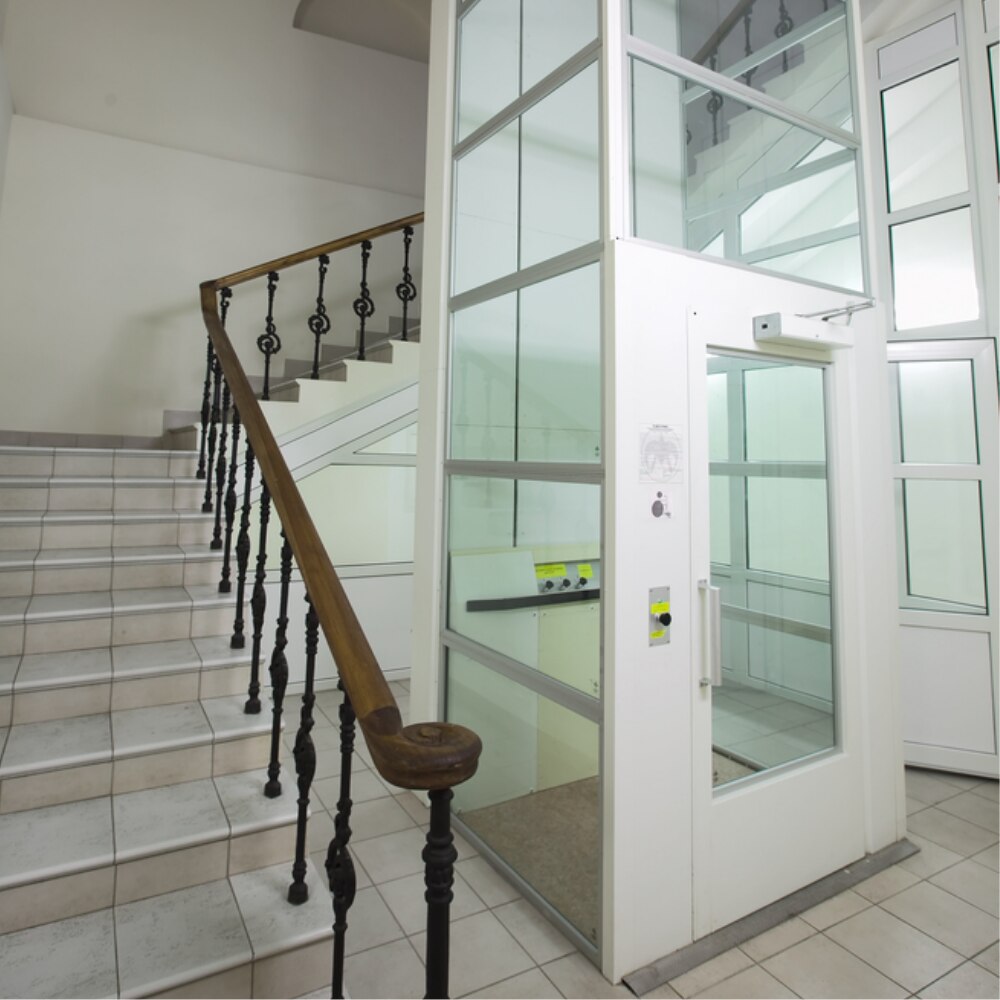 | Elevators ₹2000000 A home lift is an innovative solution that enhances mobility within multi-story homes. View product → |
Frequently asked questions
Where does a lift use electricity during a full duty cycle?
Energy goes to motor movement, acceleration, braking, door operation, car lighting, ventilation, controls, displays, alarms and machine-room equipment. Friction in doors, guides, brakes, ropes and sheaves increases demand.
Which lift type is usually more energy-efficient: traction or hydraulic?
Traction lifts commonly use less energy for frequent or taller travel because they use a counterweight. Hydraulic lifts drive a pump to raise the car and suit specific low-rise applications; compare both using the same trips, load, speed and standby assumptions.
Which equipment and controls reduce lift energy use?
Efficient motors, variable-speed drives, counterweights, regenerative drives, LED lighting, automatic lighting and fan shut-off, and sleep modes reduce movement or standby consumption when correctly specified.
What energy information should you request before choosing a lift?
Request annual kWh, standby watts, duty-cycle assumptions, rated load, speed, travel, trips per day, lighting and ventilation loads, and test conditions. Use identical assumptions when comparing suppliers.
Related products
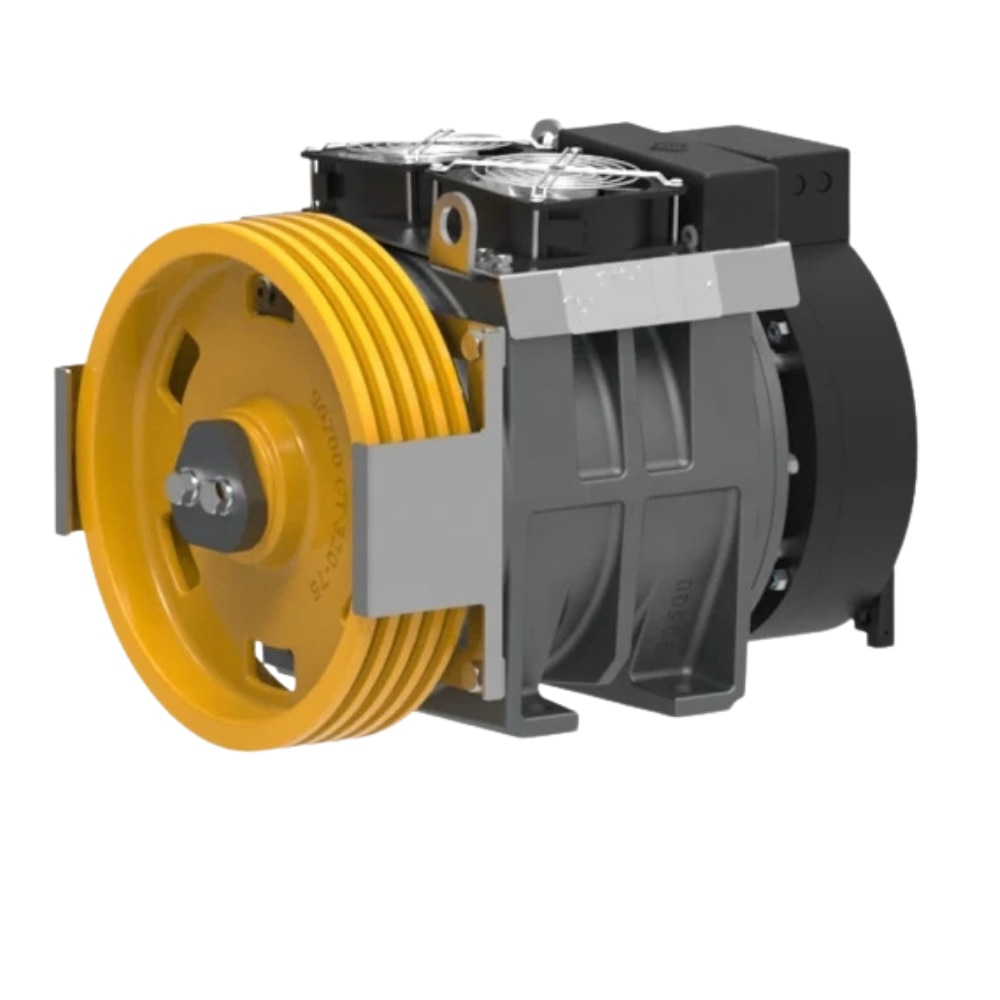 | Elevators Motors ₹95000 Discover premium elevator motors from Monadrive, Montanary, NBSL, and Technik Eesti. |
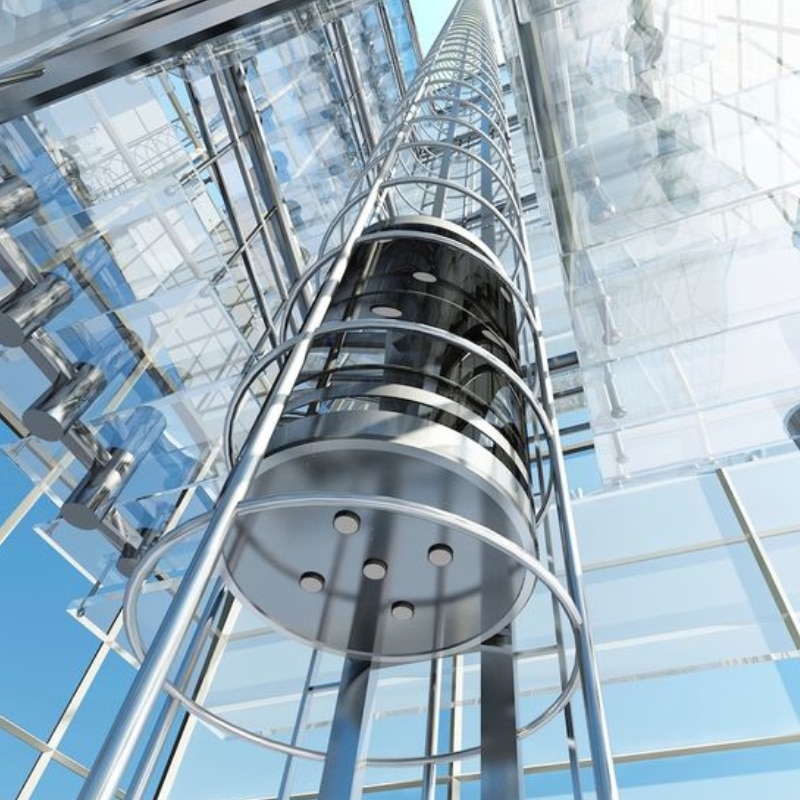 | Elevators ₹700000 The Hydraulic Elevator offers smooth, quiet, and efficient vertical transportation, ideal for residential, commercial, and industrial buildings. View product → |
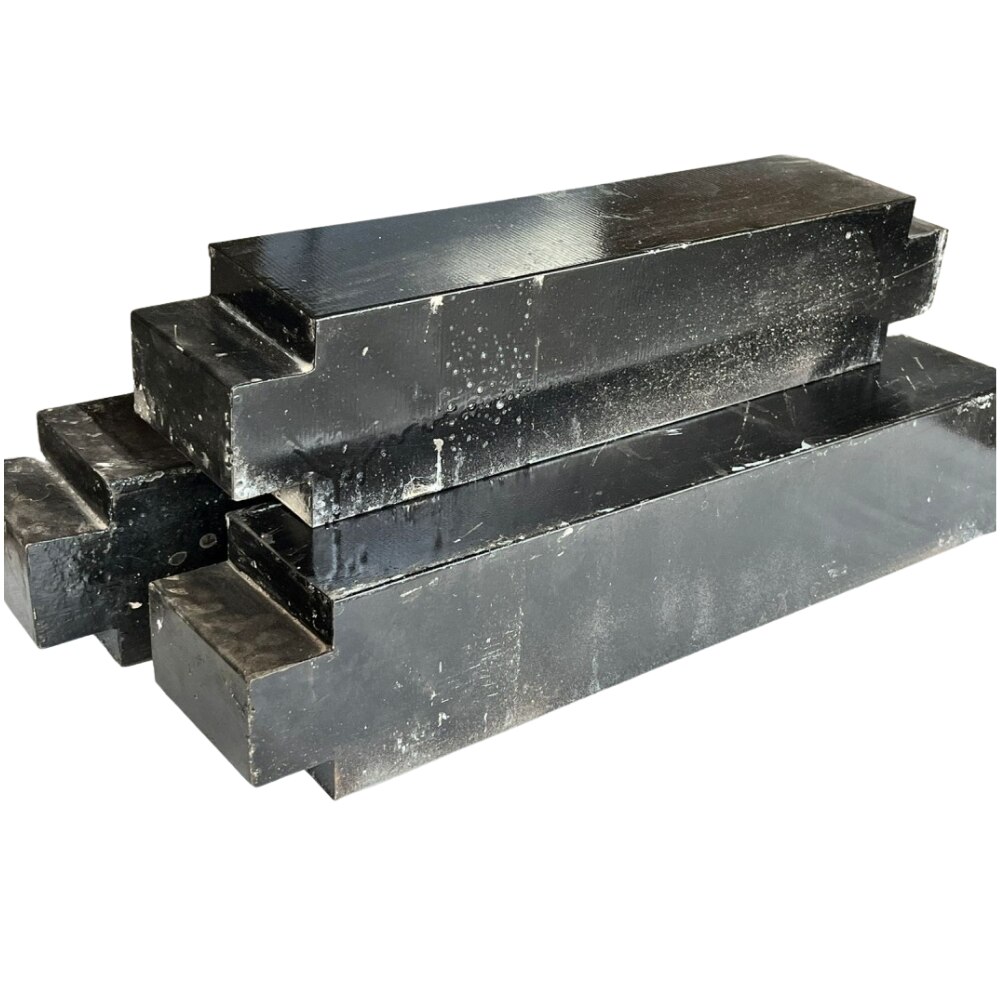 | Elevators ₹850 Elevator filler weights are precision-engineered components that enhance the stability and balance of the elevator system. View product → |
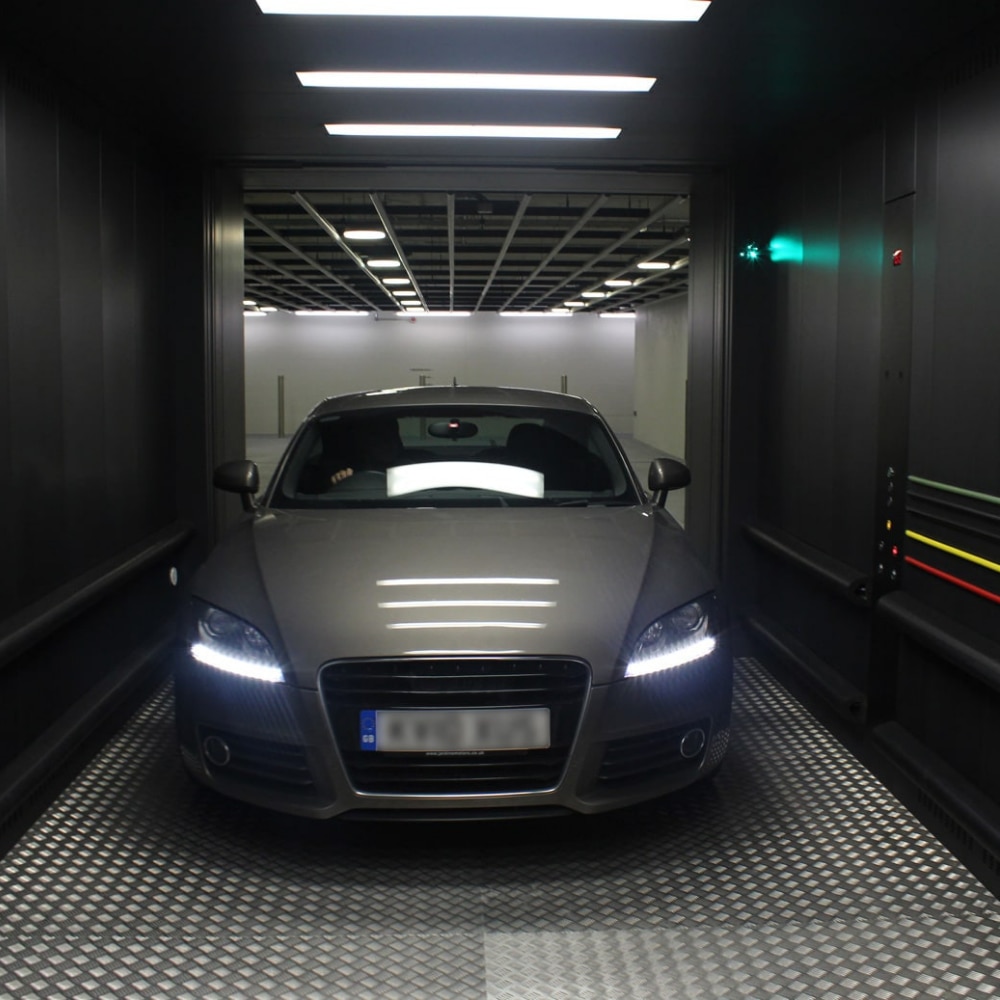 | Elevators ₹1000000 The Automobile Elevator is designed for the seamless vertical transportation of vehicles in parking structures or showrooms. View product → |
Keywords